10 Essential Tips for Using Silica Aerogel Insulation Effectively?
Silica Aerogel Insulation is revolutionizing the insulation industry with its unique properties. This lightweight material boasts an impressive thermal resistance that surpasses traditional insulation materials. According to a report by the U.S. Department of Energy, silica aerogels can reduce thermal conductivity to as low as 0.013 W/m·K, making them one of the most effective insulators on the market.
Using silica aerogel insulation effectively requires a keen understanding of its application. Many users report challenges due to its cost and handling complexities. Inconsistent installation can result in reduced performance. A study from the American Society of Heating, Refrigerating and Air-Conditioning Engineers highlighted that improper fitting can lead to thermal bridges, which compromise insulation effectiveness.
Despite its benefits, relying solely on silica aerogel insulation may not be enough. Combining it with other insulative materials can provide a balanced approach. Experts suggest evaluating your specific needs, site conditions, and budget to maximize benefits. As the market evolves, ongoing research and better installation practices are vital for ensuring this innovative material performs at its best.
Understanding Silica Aerogel: Properties and Advantages
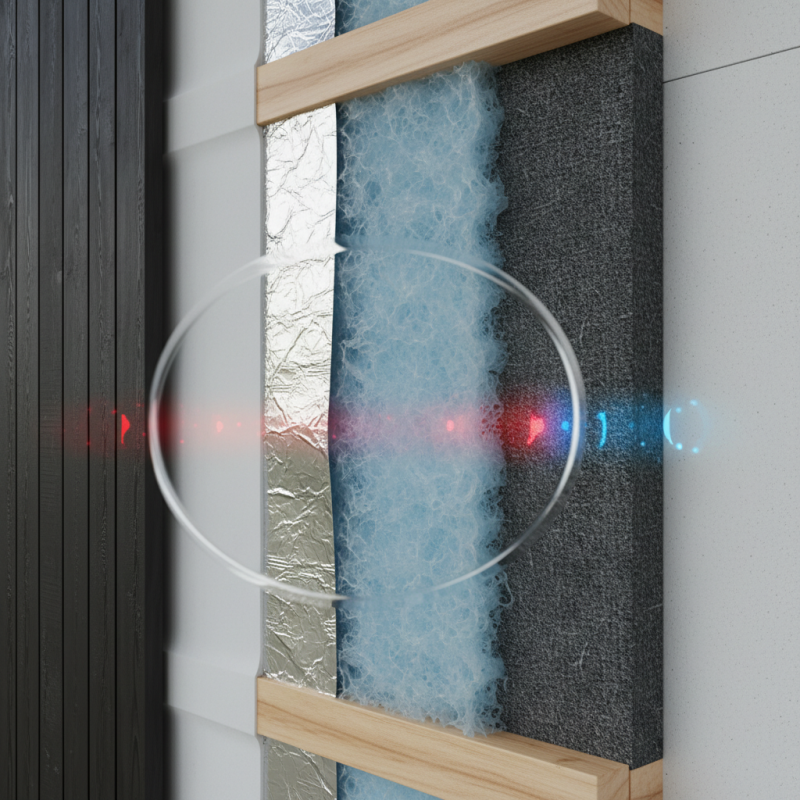
Silica aerogel is an advanced insulation material known for its exceptional thermal properties. It is composed primarily of silicon dioxide, with up to 99.8% air content. This unique structure results in an extremely low thermal conductivity, often measured at less than 0.03 W/m·K. Such performance surpasses traditional insulation materials significantly.
The advantages of silica aerogel extend beyond thermal insulation. It is lightweight and hydrophobic, making it suitable for various applications. According to industry reports, silica aerogel can reduce energy consumption by up to 50% when used in building insulation. Its soundproofing qualities are also noteworthy. In environments where noise reduction is crucial, silica aerogel demonstrates a capability to absorb sound effectively.
However, using silica aerogel comes with challenges. The material can be brittle, necessitating careful handling during installation. Additionally, the initial cost can be higher compared to conventional insulators. It is essential for users to weigh these factors carefully. Understanding these nuances will help maximize the effectiveness of silica aerogel insulation.
10 Essential Tips for Using Silica Aerogel Insulation Effectively
Selecting the Right Type of Silica Aerogel for Your Project
When selecting the right type of silica aerogel for your project, consider the specific application. Silica aerogels come in several forms, each suited to different environments. For instance, rigid panels are excellent for building insulation, while flexible blankets are ideal for piping. Understanding your needs is crucial.
Tip: Evaluate thermal conductivity values. This metric indicates how well the aerogel insulates. Lower values mean better performance. You might find it helpful to consult thermal performance data specific to your regional climate conditions.
While texture and thickness affect usability, they also impact performance. Some projects may require more rigid options, while others could benefit from lightweight varieties. Be aware of trade-offs. The perfect aerogel for one situation may not work for another.
Tip: Test samples before making decisions. A small trial can reveal how an aerogel performs in your specific setting. It’s an effective way to ensure you’re not left with a mismatch.
When in doubt, reach out to insulation experts. Their insights can save time and resources. Ultimately, making informed decisions will enhance your project's success.
Best Practices for Installing Silica Aerogel Insulation
When installing silica aerogel insulation, precise application is crucial. Start by ensuring that the surface is clean and dry. This will enhance adhesion and overall effectiveness. Wear proper protective gear during installation. Silica aerogel can create fine dust, which may irritate the skin or respiratory system. Ventilate the area well while working.
Cutting the aerogel to size demands attention. Use a sharp blade to avoid fraying the edges. Gaps between the insulation and the structure can reduce efficiency. Fill any voids with compatible sealing materials. Additionally, consider temperature fluctuations during installation. Ensure the aerogel is stored in a regulated environment to maintain its integrity.
Proper spacing is essential. Maintain an air gap between layers to enhance insulation performance. Be cautious not to compress the aerogel, as this can diminish its insulating properties. Regularly check for any signs of wear or deterioration post-installation. This proactive approach promotes long-term reliability and effectiveness.
Maintenance Tips to Maximize Silica Aerogel Longevity
To ensure the longevity of silica aerogel insulation, regular maintenance is essential. Silica aerogel is known for its impressive thermal insulation properties, with a thermal conductivity as low as 0.013 W/m·K, making it one of the most efficient insulators available. However, factors such as moisture and physical damage can significantly reduce its effectiveness.
Inspecting insulation regularly helps identify any issues early. Look for signs of moisture intrusion or physical wear. Minor damages can lead to larger problems if not addressed promptly. Using a moisture meter can detect hidden dampness, as silica aerogel's performance can degrade when exposed to moisture levels above 10%.
Cleaning silica aerogel requires a delicate touch. Use a soft brush or vacuum with a soft attachment to avoid damaging its structure. Avoid harsh chemicals or abrasive tools that might harm the aerogel's delicate matrix. Proper storage is crucial too; keep it away from direct sunlight and extreme temperatures to maintain optimal performance.
Maintaining silica aerogel may seem trivial, but it’s vital for long-lasting energy efficiency. Detailed inspections and gentle cleaning routines contribute significantly to its durability and performance. Consider documenting maintenance tasks to ensure consistency and reliability in care practices.
Common Mistakes to Avoid When Using Silica Aerogel Insulation
When using silica aerogel insulation, it's important to avoid common mistakes that can reduce its effectiveness. Many users overlook the proper installation process. Ensure that the aerogel layers are tightly fitted without gaps. Any space can lead to thermal bridging, significantly decreasing insulation quality. Small gaps may seem insignificant, but they can impact energy efficiency.
Another frequent oversight is failing to consider moisture management. Silica aerogel is hydrophobic, but it can still be affected by long-term exposure to high humidity. Proper sealing and protection against water ingress are essential. Users should regularly check for signs of moisture build-up in the insulated areas.
For effective use, understand the thermal properties of silica aerogel. It has a low thermal conductivity, making it ideal for tight spaces. However, overloading any surface with too much weight can compromise its structure. Aim for appropriate support methods that respect the material's limits. Always stay informed about best practices for installation and maintenance.