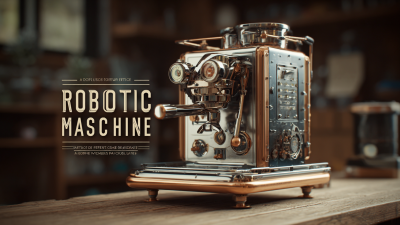
Discover the Future of Dining at The Robot Cafe in China
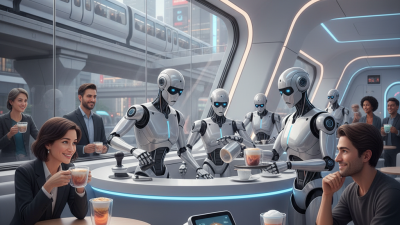
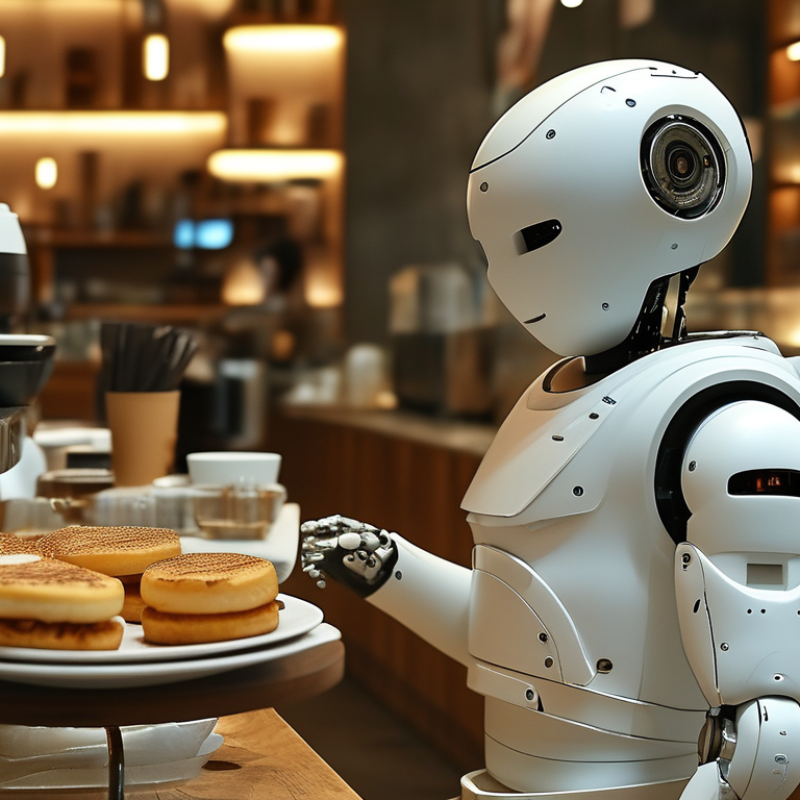
In a world rapidly advancing toward automation, "The Robot Cafe" in China represents a significant leap for dining experiences. This innovative cafe combines technology and gastronomy, offering patrons a unique way to enjoy meals. Robots serve food and beverages, showcasing sophisticated programming and design. Customers can anticipate not only delicious meals but also a glimpse into the future of service.
Yet, while the concept is exciting, it poses questions. Can robots truly replace human interaction? Some diners may miss the warmth of personal touch in service. The cafe pioneers a technology-driven dining model, which may bring efficiency but lacks the nuances of human interaction. As we explore this futuristic eatery, we are invited to reflect on the balance between technology and tradition in our dining experiences.
"The Robot Cafe" challenges our perceptions. It encourages us to think about the future of food service. Still, it reminds us of what makes dining special—connection, engagement, and shared moments. This cafe is not just about robots; it’s about redefining how we experience meals in a tech-savvy world.
The Evolution of Automated Dining: A Global Perspective
The global dining landscape is rapidly transforming, with automated dining taking center stage. Automated solutions can
increase efficiency, reduce wait times, and enhance customer experiences. According to the International Journal of Hospitality Management, over 56% of consumers are open to automated dining options.
Restaurants are eager to integrate these technologies, especially in countries like China, where the trend is gaining significant traction.
The Robot Cafe in China exemplifies how technology is reshaping dining. Here, robotic servers deliver orders with
precision. This reduces human error and allows for a unique patron experience. Yet, the transition to automated systems isn't without challenges.
Employee displacement is a notable concern. A report by the World Economic Forum suggests that up to
85 million jobs could be displaced by automation by 2025. While robots can streamline service, some argue they lack
the personal touch that human staff provide.
Moreover, insights from the National Restaurant Association indicate that about
40% of consumers prefer human interaction while dining. This indicates a need for balance between technology and traditional service.
As automated dining evolves, businesses must consider consumer preferences. It’s a fine line to tread—leveraging technology while maintaining
the essence of a memorable dining experience.
Technological Innovations Driving the Robot Cafe Experience in China
In the heart of China, a new dining experience is reshaping how we think about food service. The Robot Cafe harnesses cutting-edge technology to enhance the customer experience. Reports suggest that over 60% of consumers are intrigued by automation in dining. Robotic servers deliver meals with precision, minimizing wait times and maximizing efficiency. This transformation is not only about speed but also about enhancing the overall dining experience.
Technological innovations play a pivotal role in this shift. Studies indicate that establishments using automated systems report a 30% increase in customer satisfaction. However, the technology does present challenges. Some patrons feel a disconnect when interacting with machines instead of humans. This raises important questions about the future of hospitality. Can technology truly replace personal interaction? The answer remains to be seen, as the balance between automation and human touch is delicate.
Moreover, the integration of artificial intelligence allows these cafes to tailor experiences to individual preferences. Diners can enjoy personalized recommendations based on their past orders. Yet, this personalization comes with privacy concerns. Data security remains a critical issue, with 70% of consumers worried about how their information is used. The Robot Cafe exemplifies the complexities of adopting new technology. As the industry evolves, these challenges will require careful consideration.
Market Analysis: The Rise of Robotic Cafes in the Food and Beverage Sector
The food and beverage sector is witnessing an exciting transformation with the rise of robotic cafes. These venues blend technology and dining experience in innovative ways. Customers get greeted by robotic servers, capable of taking orders and delivering food. The interaction provides a fresh experience, captivating tech-savvy diners.
Market analysis shows a growing trend in automation across food service. Reports indicate a significant increase in interest and investment in robotic cafes. Factors driving this trend include efficiency, higher customer satisfaction, and reduced labor costs. However, the integration of robots often raises questions about the human touch in dining. Can a machine truly replicate warm hospitality?
Robotic cafes also face operational challenges. Machines require regular maintenance and updates to stay functional. Additionally, the initial investment can be hefty. Many cafes must evaluate whether the automation aligns with their brand identity. Balancing technology with personal service remains a crucial consideration for these venues.
Consumer Acceptance of Robot-Served Food: Key Trends and Statistics
Dining experiences are evolving. The Robot Cafe in China showcases this transformation. Here, robotics meets culinary arts, providing a glimpse into the future. But how do consumers feel about robot-served food? Recent data reveals trends worth exploring.
Surveys indicate rising acceptance of robot servers, especially among younger diners. Approximately 65% of millennials have a favorable view of automation in restaurants. They enjoy the novelty and efficiency that robots bring to the table. However, there are concerns too. Some customers prefer human interaction. They miss the personalized service and warmth of a human touch. The challenge lies in balancing technology with human connection.
Data shows that 30% of diners remain skeptical. They worry about food quality and hygiene. A few incidents of malfunctioning robots have raised eyebrows. Restaurant managers are taking these issues seriously. Testing and feedback play a significant role. Adapting to consumer preferences can enhance the overall experience. Ultimately, the integration of robots in dining must evolve with the diners’ needs.
Discover the Future of Dining at The Robot Cafe in China - Consumer Acceptance of Robot-Served Food: Key Trends and Statistics
| Trend |
Percentage of Consumers (%) |
Demographic Group |
Year |
| Preference for Robot Servers |
65 |
Millennials |
2023 |
| Acceptance of Automated Ordering |
72 |
Generation Z |
2023 |
| Willingness to Pay More for Robot Service |
58 |
Ages 30-45 |
2023 |
| Concerns About Food Quality |
45 |
Baby Boomers |
2023 |
| Interest in Novel Dining Experiences |
80 |
All Age Groups |
2023 |
Future Projections: The Impact of Robotics on the Restaurant Industry by 2030
The restaurant industry is evolving at lightning speed due to robotics. By 2030, we will witness profound changes. Many establishments will incorporate robots into various tasks. Imagine a fully automated kitchen where robots prepare meals with precision. The elimination of human error could enhance food safety. However, this tech advancement raises questions about job displacement.
Dining will also transform. Robots could serve food and provide information about dishes. Customers may interact with AI to customize orders. Yet, there are concerns. Can robots truly replicate the warmth of human service? The challenge lies in maintaining a personal touch. Many diners cherish the connection with staff. It's essential to strike a balance between efficiency and human interaction.
Robotic technology can streamline operations, making restaurants more sustainable. Food waste could decrease with precise cooking algorithms. Still, the reliance on machines might lead to over-automation. Restaurant owners must reflect on these implications. The future of dining could be impressive, but it requires careful consideration. Robotics in restaurants presents opportunities and challenges that we must confront head-on.
Future Projections: The Impact of Robotics on the Restaurant Industry by 2030
The chart below illustrates the projected impact of robotics on various aspects of the restaurant industry by 2030. The data highlights the anticipated percentage growth in automation, operational efficiency, customer satisfaction, and cost reduction.