2026 How to Choose the Best Rock Wool Acoustic Panels?
When selecting the right Rock Wool Acoustic Panel, understanding its benefits is crucial. A study by the Acoustical Society of America highlights that sound absorption can improve workplace productivity by up to 33%. This statistic underscores the need for effective acoustic solutions in various environments, such as offices, studios, and schools.
Rock Wool Acoustic Panels are known for their superior soundproofing qualities. They excel at reducing noise pollution, which can disrupt focus and tranquility. Many sound engineers prefer these panels for their exceptional performance in controlling reverberations. However, not all panels are created equal. Choosing the wrong product can lead to unsatisfactory results.
Potential buyers often overlook critical factors. These include panel thickness, density, and installation methods. An improperly installed Rock Wool Acoustic Panel may not provide the desired sound control. Investing time in research can lead to better acoustics, ultimately benefiting your space and enhancing overall well-being.
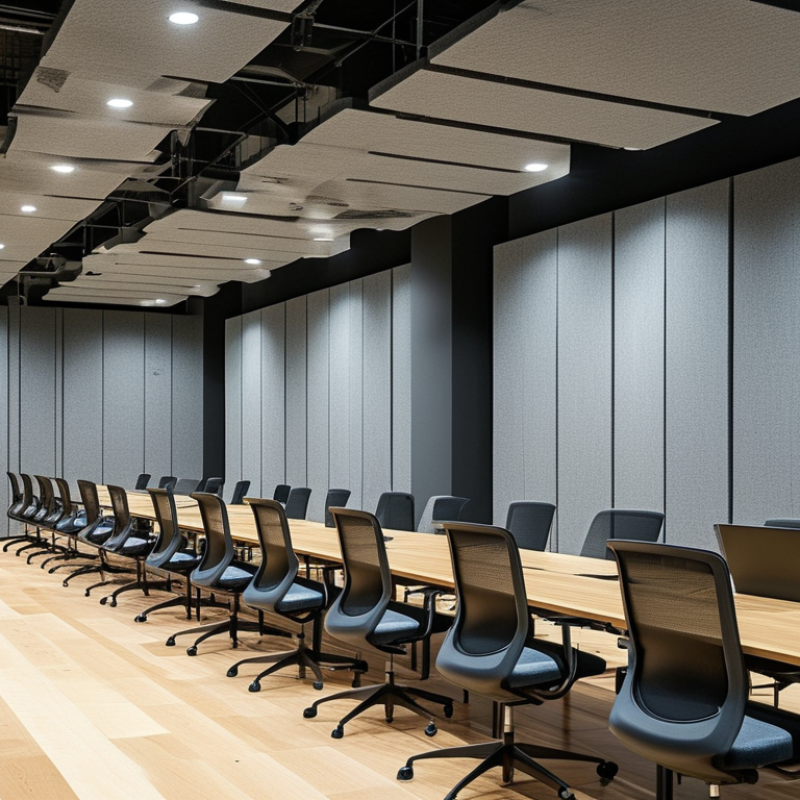
Understanding Rock Wool Acoustic Panels and Their Benefits
Rock wool acoustic panels are an effective solution for sound insulation. Made from natural stone fibers, these panels provide excellent sound absorption. They help to reduce echo and improve sound clarity in various spaces. For studios, home theaters, or open offices, these panels offer a practical choice.
Understanding the benefits of rock wool is crucial. They are fire-resistant, which adds a layer of safety. Their density contributes to greater soundproofing. Additionally, they are environmentally friendly, as they are made from renewable materials. Installation is simple, which can save time and money.
When choosing rock wool panels, consider the room’s acoustics. Evaluate the intended use. Reflect on personal preferences, as appearances vary. While these panels are effective, they may not suit every aesthetic. Think about the balance between functionality and design. Each decision impacts the outcome, so reflect on the space you wish to create.
Key Factors to Consider When Choosing Rock Wool Acoustic Panels
When selecting rock wool acoustic panels, consider several key factors to ensure optimal performance. One critical aspect is the density of the panels. Higher density panels typically absorb sound better. Look for options ranging between 50 to 160 kg/m³. This range balances effectiveness and weight, making installation easier.
Another factor to consider is the thickness of the panels. Thicker panels tend to provide enhanced sound absorption, particularly at lower frequencies. If space allows, choose panels that are at least 50 mm thick. However, always reflect on the specific acoustic needs of your space. What works well in one environment may not be ideal in another.
Aesthetics can also influence your choice. Rock wool panels come in various finishes and colors. Selecting visually pleasing options can enhance the overall look of your space while still providing soundproofing. Evaluate how they integrate with your design. While performance matters, the visual impact shouldn't be overlooked. Do these panels match your vision? Ultimately, ensure you balance acoustic needs with personal style.
Comparing Rock Wool Acoustic Panels to Other Acoustic Solutions
When considering acoustic solutions, rock wool acoustic panels stand out for their versatility and efficiency. These panels effectively reduce sound transmission and improve overall sound quality. Their porous structure allows them to absorb a broad range of frequencies, making them suitable for various environments, from studios to offices. Many users find that they significantly enhance the listening experience.
In comparison, other acoustic solutions like foam panels can sometimes fall short in terms of sound absorption. Foam may not handle lower frequencies as effectively. Furthermore, foam panels often lack the durability of rock wool. They can deteriorate over time, losing their effectiveness. Some users have reported challenges in installation, with foam panels often requiring adhesive or other hardware. Rock wool panels, on the other hand, can be more straightforward to mount.
There are also aesthetic considerations. Rock wool panels come in various finishes and colors, enabling customization for different spaces. Foam panels, while colorful, might not fit all décor styles. However, some users feel overwhelmed by the installation process of rock wool alternatives. Finding the right solution often requires careful consideration of specific needs and preferences.
2026 Comparison of Rock Wool Acoustic Panels with Other Acoustic Solutions
Installation Tips for Optimal Performance of Rock Wool Panels
When installing rock wool acoustic panels, proper placement is crucial for optimal sound absorption. Begin by identifying the areas that require the most sound treatment. Corners often benefit from panels because sound waves tend to accumulate there. Don’t forget to address walls adjacent to noisy spaces.
While placing the panels, consider using adhesive or mounting hardware specifically designed for rock wool. This ensures they remain secure and effective over time. Ensure that the surface is clean and dry before installation. Any imperfections in the surface can lead to gaps, which diminish the panels' efficiency.
Pay attention to the density and thickness of the panels you choose. Thicker panels provide better absorption in lower frequencies. However, you may need a mix of thicknesses depending on the specific environment. Testing different arrangements and distances can yield surprising results. Stay open to adjustments after initial installation; this is part of the learning process. Acoustics can be subjective, and what works for one room may not work for another.
Maintaining and Caring for Rock Wool Acoustic Panels
Maintaining rock wool acoustic panels is essential for optimal performance. Regular cleaning helps prevent dust accumulation. It's best to use a vacuum cleaner with a soft brush attachment. This method ensures that the fibers remain intact and effective.
Humidity control is key when caring for these panels. They can absorb moisture, which may lead to a decrease in acoustic efficiency. According to industry studies, maintaining humidity levels between 30-50% enhances their lifespan. Consider monitoring conditions in your studio or listening space.
Inspect panels for damage periodically. Signs of wear can indicate that replacement may be necessary. While rock wool is durable, its performance can decline over time. Studies show that untreated wear can diminish sound absorption by up to 25%. Maintaining a proactive approach safeguards their longevity and effectiveness.