How to Reverse Engineer PCB for Global Sourcing at 2026 Canton Fair?
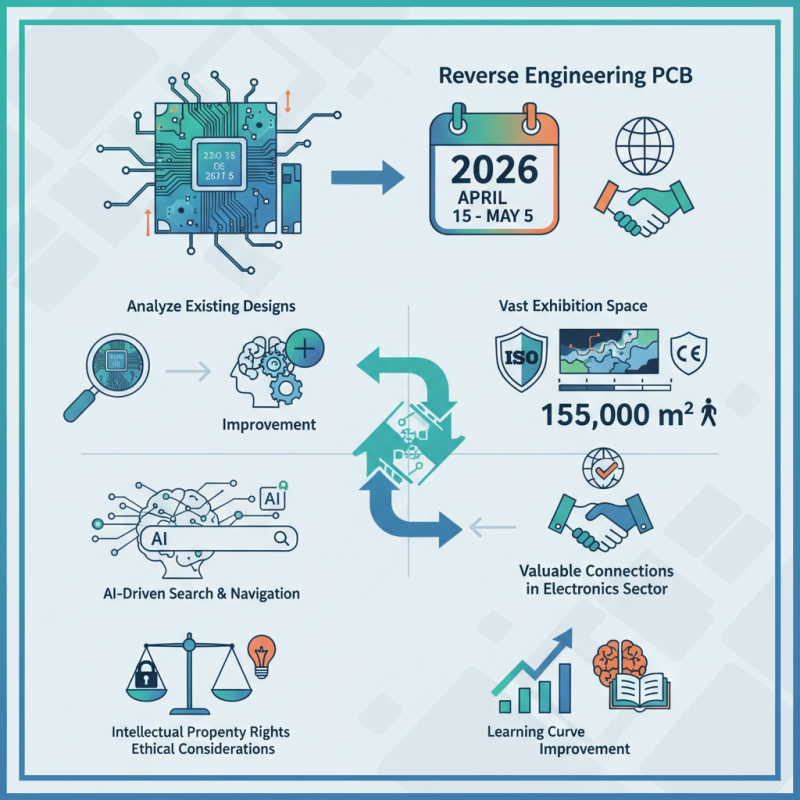
In today’s fast-paced electronics industry, understanding Reverse Engineering Pcb is essential. The upcoming 2026 Canton Fair offers a unique platform for global sourcing. This event, scheduled from April 15 to May 5, will showcase cutting-edge advancements in manufacturing and technology. Companies looking to enhance their sourcing strategies can significantly benefit from a deeper understanding of PCBs.
Reverse Engineering PCB enables businesses to analyze existing designs and improve upon them. With the integration of AI-driven search and navigation features, attendees can efficiently identify suppliers meeting key certifications like ISO and CE. This capability simplifies the sourcing process in a vast exhibition space covering 155,000 square meters. However, the importance of ethical considerations in reverse engineering cannot be overlooked. Companies must be aware of intellectual property rights and their responsibilities.
Engaging in Reverse Engineering PCB is not without challenges. The learning curve may be steep for some. To navigate the complexities, businesses should remain open to reflection and continuous improvement. The Canton Fair serves as an ideal backdrop for exploring these themes while fostering valuable connections in the electronics sector.
Understanding PCB Reverse Engineering for Global Sourcing
PCB reverse engineering is an essential technique for global sourcing. It involves analyzing printed circuit boards to understand their design and functionality. This process aids in securing components and enhancing product designs. According to a recent industry report, about 35% of companies use reverse engineering to improve competitiveness. This statistic highlights its significance in product development.
When approaching reverse engineering, it’s vital to document each step carefully. Understanding the materials used and examining the layout are crucial. Tips for effective reverse engineering include investing in quality imaging tools. Using a microscope can reveal intricate details that naked eyes miss. Additionally, consider creating a digital schematic for easier analysis.
One challenge often faced is the interpretation of complex PCB layouts. Misinterpreting a trace can lead to design flaws. Seeking input from a team can save time and reduce errors. Collaboration often leads to better insights and improved outcomes. Pay attention to the nuances in design. It's these details that can either enhance the project or derail it.
How to Reverse Engineer PCB for Global Sourcing at 2026 Canton Fair? - Understanding PCB Reverse Engineering for Global Sourcing
| Aspect | Description | Importance for Global Sourcing | Expected Trends in 2026 |
| Material Selection | Choosing appropriate substrates and conductive materials for PCB manufacturing. | Critical for performance and reliability of electronic devices. | Increased focus on sustainable and eco-friendly materials. |
| Design Tools | Utilizing software for schematic design and simulation. | Enhances accuracy and reduces time-to-market. | Advancements in AI-driven design tools expected. |
| Testing Methods | Methods for evaluating PCB performance and durability. | Ensures quality control and compliance with industry standards. | More automated and advanced testing protocols likely. |
| Regulatory Compliance | Understanding and adhering to electrical and safety regulations. | Critical for international trade and market entry. | Stricter regulations anticipated due to environmental concerns. |
| Supplier Evaluation | Assessing the capabilities and reliability of potential PCB manufacturers. | Ensures sourcing from reputable partners. | Greater emphasis on supplier sustainability practices. |
Key Techniques for PCB Analysis and Component Identification
Reverse engineering a printed circuit board (PCB) is crucial for global sourcing, especially at the 2026 Canton Fair. Understanding key techniques for PCB analysis and component identification can significantly enhance your production process. This knowledge helps in sourcing components that match quality and cost requirements. According to a report by MarketsandMarkets, the global PCB market is expected to grow at a CAGR of 3.5% from 2021 to 2026. This growth highlights the importance of effective sourcing strategies.
When analyzing a PCB, start by documenting every layer. Use a microscope to inspect connections and component placements. Identifying components requires a keen eye for detail. Pay attention to part numbers and markings. Comparing these with industry databases can streamline the sourcing process. Some parts may be obsolete, leading to challenges. Failure to identify alternatives might cause production delays.
Tips: Always take high-resolution images for reference. This helps you track changes during the sourcing process. Ensure that you create a bill of materials (BOM) with detailed descriptions. This will aid suppliers in providing accurate alternatives. Remember, not every component will be easily identifiable. Sometimes, additional research is necessary, which can be time-consuming yet rewarding. Explore forums and industry groups for insights and help.
Legal Considerations in PCB Reverse Engineering
Reverse engineering printed circuit boards (PCBs) can be a complex and legally sensitive process. There are specific legal considerations that must be taken into account. Not all reverse engineering practices are permitted. It’s essential to distinguish between ethical practices and those that may infringe on intellectual property rights.
Understanding your local regulations is crucial. Some countries have stringent laws regarding the reproduction of electronic designs. Consulting with legal experts can clarify what is acceptable. This can save time and prevent potential disputes. Do you know the risks involved? There may be unintended consequences from misinterpretation of laws.
Furthermore, consider the intent behind reverse engineering. Is it for personal knowledge or commercial gain? The purpose greatly influences the legal landscape. If your goal is to create similar products, you must proceed with caution. Not all methods will safeguard you legally. Reflecting on your objectives will shape a responsible approach to your PCB projects.
Best Practices for Sourcing Components at Trade Fairs
Attending the Canton Fair can be a game-changer for sourcing PCB components. This event offers a vast opportunity to connect with suppliers and discover innovative components. Walking the exhibition halls, you might find unexpected gems among the booths. Take notes on pricing and lead times. Engaging suppliers in conversations often reveals insights that documents cannot convey.
However, sourcing at trade fairs can be challenging. It’s crucial to prepare a list of specific components you need. Nonetheless, remaining flexible can lead to better choices. Discussions may uncover alternatives that improve your design. Remember, not every supplier will be responsive. Some may not have the information you seek. Patience is key.
While networking, consider the cultural differences that may affect communication. Misunderstandings can happen easily, leading to missed opportunities. Always clarify your expectations. After the fair, revisit your notes and reflect on your findings. This will help refine your sourcing strategy for the future. Each interaction offers a chance to learn. Embrace the lessons, even from failures, to enhance your approach moving forward.
Strategies for Networking and Negotiation at the Canton Fair
Networking at the Canton Fair can be a game-changer. Bring plenty of business cards. You never know who might be a vital contact. Try to engage with exhibitors and visitors alike. Small talk can lead to big opportunities. Ask questions that show genuine interest. People appreciate when you take the time to listen.
Negotiation requires preparation. Research the industry standards beforehand. Know what your goals are and be ready to compromise. Sometimes, details slip through the cracks. Keep an open mind when discussing terms. Avoid being too rigid, as it may turn potential partners away. The art of negotiation often lies in finding mutual benefits.
Be mindful of cultural differences. Each interaction could hold unspoken nuances. Observe body language and tone. Familiarize yourself with local customs; it reflects respect. Not every conversation will go as planned. Some may feel uncomfortable, or misunderstandings might occur. It's important to learn and adapt quickly. Practice patience, as building relationships takes time.
PCB Reverse Engineering Interest at 2026 Canton Fair