
Top 10 Smart Hotel Trends Transforming Guest Experiences?
In the evolving landscape of the hospitality industry, the concept of the "Smart Hotel" is gaining traction. According to Dr. Alice Chen, a leading expert in hospitality technology, "Smart Hotels are not just about technology; they're about enhancing the guest experience." This insight highlights the dual focus of modern hotels on both innovation and customer satisfaction.
Smart Hotels are integrating advanced technologies to create seamless and personalized guest experiences. From mobile check-ins to smart room controls, these innovations cater to the modern traveler’s demands. For instance, a guest might adjust room settings using their smartphone or receive personalized recommendations based on their preferences. However, this rapid transition raises questions about data privacy and the potential for technology overload.
As Smart Hotels redefine the meaning of hospitality, the challenge remains: how to balance technology with the personal touch. While automation can enhance efficiency, it risks alienating guests who value human interactions. Establishing a harmonious blend of technology and personal service is crucial for the future of hospitality.
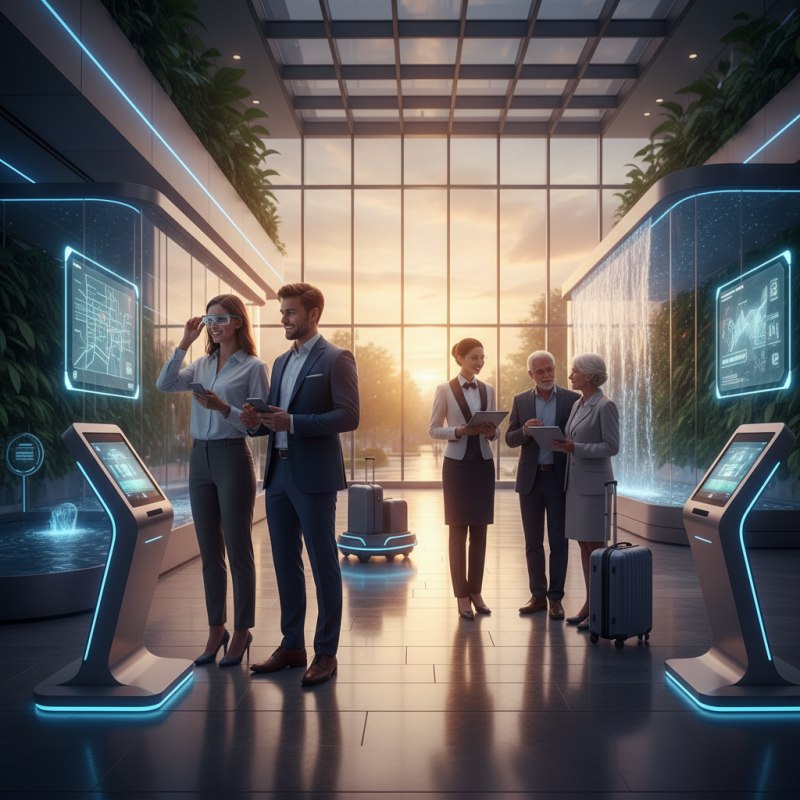
The Rise of Smart Hotels in the Hospitality Industry
The rise of smart hotels is revolutionizing the hospitality industry. These innovative spaces utilize advanced technology to enhance guest experiences. Smart rooms, for example, allow visitors to control lighting, temperature, and entertainment using mobile devices. This level of customization not only adds convenience but also creates a unique atmosphere for each guest.
Moreover, automation and artificial intelligence streamline check-in processes and provide personalized recommendations. Guests can enjoy a seamless experience from the moment they arrive until they depart. However, while these advancements bring efficiency, they also raise questions about the balance between technology and personal touch. Some guests might feel alienated by the lack of human interaction.
Incorporating smart features may not suit every hotel’s identity or every guest's preference. As technology evolves, hotel operators face the challenge of ensuring that the essence of hospitality remains intact. They must strike a careful balance between leveraging technology and maintaining human connection. This ongoing reflection is critical to fully understand how smart hotels can truly cater to diverse guest needs.
IoT Integration: Enhancing Personalization and Efficiency
IoT integration is reshaping the hospitality landscape. Hotels leverage smart technologies to create personalized experiences for guests. Imagine a room that adjusts itself based on your preferences. Lighting and temperature set to your liking upon arrival transforms any stay into a tailored experience. This technology enhances efficiency and ensures that no detail goes unnoticed.
Incorporating IoT devices addresses both comfort and convenience. Smart keys allow guests to unlock doors using their smartphones, eliminating the need for physical keys. Voice-activated assistants in rooms can respond to requests, such as adjusting the heating or providing local recommendations.
However, these advancements come with challenges. Some guests may feel overwhelmed by multiple devices and their complexities. Despite the benefits, relying heavily on technology can lead to disconnect. Human interaction remains crucial in hospitality. While automated systems serve efficiently, they cannot replace the warmth of genuine service.
As hotels embrace IoT, the balance between technology and personal touch must be carefully managed. Achieving this balance will define future guest experiences.
Voice-Activated Technology: The Future of Guest Interaction
Voice-activated technology is reshaping hotel guest interaction. According to a recent industry report, nearly 75% of consumers prefer using voice commands for tech devices. This trend is gaining traction in the hospitality sector, as hotels aim to enhance guest convenience. Picture entering a hotel room and just speaking to adjust the lighting or temperature. Such seamless interaction can transform a mundane stay into a personalized experience.
However, implementing this technology is not without its challenges. Many hotels struggle to maintain consistent voice recognition capabilities. Language accents and background noise can impact performance. Additionally, privacy concerns arise as guests become wary of how their data is used. An estimated 60% of travelers express hesitation about voice-activated systems due to these issues. It highlights the need for hotel operators to strike a balance between innovation and guest comfort.
Many hospitality leaders are already investing in voice technology, with projections suggesting a 20% growth in this sector over the next three years. Effective integration can boost guest satisfaction scores significantly. Yet, it is crucial to educate staff on technology use and maintenance. Empowering employees ensures a smooth experience and fosters trust with guests. As hotels innovate, they must remain responsive to feedback, refining systems while prioritizing guest security and satisfaction.
Top 10 Smart Hotel Trends Transforming Guest Experiences
Sustainable Innovations: Green Solutions in Smart Hotels
Sustainable innovations are reshaping the smart hotel landscape. These green solutions are a response to growing environmental concerns. In fact, a recent industry report indicated that 70% of travelers prioritize eco-friendly accommodations. Hotels are implementing energy-efficient lighting and smart thermostats to reduce energy consumption.
Rainwater harvesting systems are making a difference. Some hotels are now using collected rainwater for irrigation and laundry. This practice not only conserves water but also lowers operational costs. Additionally, waste management solutions like composting and recycling programs are gaining traction. They help reduce landfill waste, aligning with modern guests' expectations for sustainability.
Yet, the journey isn't perfect. Many hotels struggle with integrating these technologies seamlessly into their operations. Staff training remains a hurdle. Moreover, there's a high initial investment for some green upgrades, which can deter smaller hotels. It's crucial for the industry to balance sustainability with cost-effectiveness. Engaging guests with interactive platforms that showcase their hotel’s sustainability efforts can enhance the experience, but it requires continuous improvement and adaptation.
Top 10 Smart Hotel Trends Transforming Guest Experiences - Sustainable Innovations: Green Solutions in Smart Hotels
| Trend | Description | Benefits |
|---|---|---|
| Energy Management Systems | Smart systems to monitor and optimize energy use. | Reduces costs and carbon footprint. |
| Water Conservation Technologies | Devices that minimize water wastage, like low-flow fixtures. | Saves water and lowers utility bills. |
| Smart Lighting | Automated lighting using sensors and controls. | Enhances guest comfort and reduces energy use. |
| Sustainable Procurement | Focus on sourcing eco-friendly products. | Supports local businesses and sustainability. |
| Digital Check-In/Out | Touchless technology for smoother guest experiences. | Reduces waiting time and enhances safety. |
| Smart HVAC Systems | Automated heating and cooling based on occupancy. | Increases comfort and energy efficiency. |
| Renewable Energy Sources | Integration of solar or wind energy in operations. | Reduces reliance on non-renewable resources. |
| Eco-friendly Amenities | Use of biodegradable and sustainable guest products. | Enhances brand image and guest satisfaction. |
| Sustainable Transportation Options | Partnerships for electric vehicle charging or bike rentals. | Promotes eco-friendly travel choices. |
| Guest Engagement Platforms | Apps and tools for personalized guest experiences. | Improves customer loyalty and satisfaction. |
Enhanced Security Measures: Protecting Guests in Smart Environments
Enhancing security in smart hotels is crucial for guest safety. Technology like keyless entry systems and biometric recognition protects their privacy. These systems reduce the risk of traditional key loss, which can lead to unauthorized access. Many hotels now use mobile apps for check-in and room access, providing guests with greater control.
However, relying too much on technology can lead to flaws. Tech failures can lock guests out or create privacy breaches. Some guests feel uneasy about surveillance, even if it enhances safety. The balance between security and personal space remains delicate.
Hotels must continuously assess their security measures. Regular updates and staff training are essential. Engaging guests in discussions about their comfort with security processes can foster trust. By valuing guest feedback, hotels can evolve their practices and ultimately improve guest experiences.