Why Start an Electric Charging Station Business Today?
The rise of electric vehicles (EVs) is reshaping transportation. More consumers are choosing EVs for their environmental benefits. This shift creates a significant opportunity in the market. Starting an Electric Charging Station Business today can be a strategic move. The demand for charging infrastructure is soaring alongside the increase in EV adoption.
Many cities and towns lack adequate charging facilities. This gap presents both a challenge and an opportunity for entrepreneurs. Business owners can fill this void by providing reliable and accessible charging options. A well-placed electric charging station can attract numerous customers. It serves both everyday EV drivers and long-distance travelers.
However, challenges exist in this industry. Location varies in importance and the installation costs can be high. Understanding local regulations and market needs is crucial. Entrepreneurs must also think about competition. An electric charging station business requires careful planning and consideration. But for those willing to adapt and innovate, the potential rewards are significant.
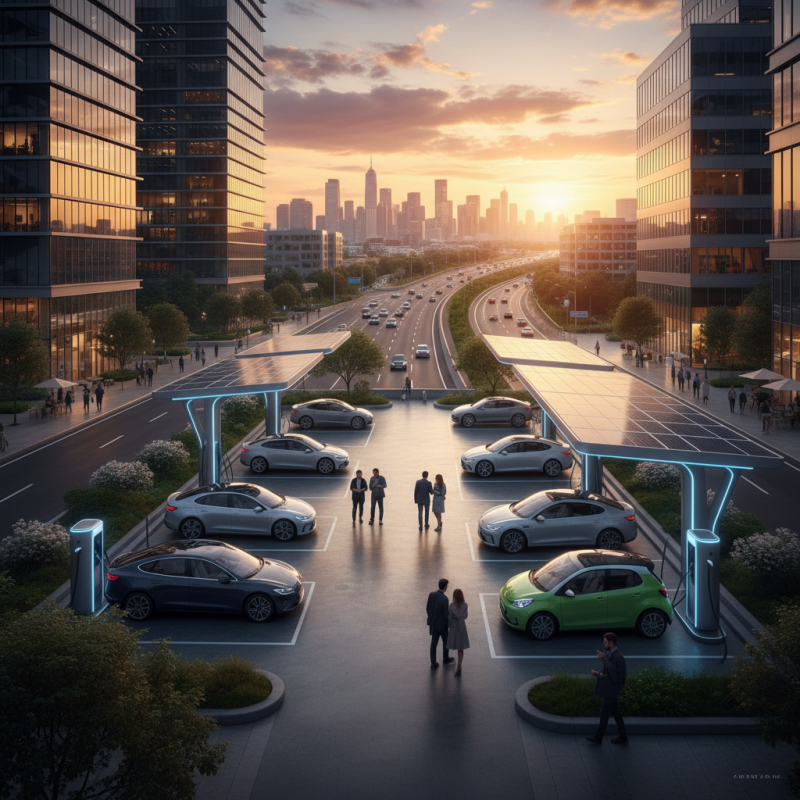
Current Trends in Electric Vehicle Adoption and Market Growth
The surge in electric vehicle (EV) adoption is reshaping the automotive landscape. In 2023, EV sales surged by over 40% compared to the previous year. This boom signals a shift in consumer behavior towards sustainability. More drivers are opting for EVs, driven by economic incentives and environmental awareness.
Societal trends show a growing commitment to reducing carbon footprints. More urban areas are implementing low-emission zones, pushing consumers toward electric options. Charging infrastructure is increasingly in demand. Many cities and towns are incentivizing the establishment of electric charging stations. The projection indicates that by 2030, electric vehicles may constitute nearly 30% of all vehicle sales.
However, the market isn’t without its challenges. Not every location is suitable for charging stations. Site selection requires careful analysis. Access to power and foot traffic are crucial factors. There are still concerns about the longevity of battery life and charging speed. These are issues that new businesses must address actively. The EV landscape is dynamic, and ongoing adaptation will be necessary for success.
Benefits of Operating an Electric Charging Station Business
The rise of electric vehicles (EVs) marks a significant turning point in transportation. Starting an electric charging station business now taps into this growing trend. The demand for charging infrastructure is only expected to increase. Many consumers are looking for convenience while charging their vehicles. This provides a unique opportunity for entrepreneurs.
Operating an electric charging station can lead to steady income. As more EVs hit the roads, station owners can benefit financially. You can create appealing, eco-friendly spaces, enhancing user experience. However, initial investments can be high, and not all locations will guarantee success. Researching your area and understanding potential customer behavior is crucial.
The community benefits from having more charging stations. It promotes the use of clean energy and reduces emissions. Some might face challenges in securing permits or dealing with local regulations. Being prepared for these obstacles can improve your chances of success. Continuous learning about technology and infrastructure trends is essential in this dynamic field.
Benefits of Operating an Electric Charging Station Business
Key Considerations for Starting an Electric Charging Station
Starting an electric charging station business offers unique opportunities. As electric vehicles (EVs) gain popularity, the demand for charging infrastructure skyrockets. However, several key considerations can affect your success.
Location is crucial. Choose areas with high traffic, like shopping centers or near highways. Visibility attracts customers. Next, assess the local market. Understand the number of EV users nearby. This helps gauge potential demand. Local incentives may also impact your decision.
Tips: Focus on establishing partnerships with local businesses. Collaboration can enhance visibility and customer footfall. Consider offering perks, like discounts to nearby businesses' customers. Analyze your competition, too. Identifying their strengths can help you find your niche.
Another important factor is
technology. Invest in
reliable, fast chargers. Customers appreciate efficiency. However, keep in mind that
technology evolves quickly. Regular updates may be necessary. Lastly, consider
maintenance costs. Keeping equipment functional is vital to your station’s reputation.
A well-maintained station builds trust with users. In this growing industry,
staying adaptable is important. Keep learning and adjusting your strategies. This approach can help you thrive in a competitive market.
Financial Incentives and Funding Options for Charging Stations
As the demand for electric vehicles (EVs) grows, starting an electric charging station business is increasingly attractive. One major consideration is the availability of financial incentives. Many governments offer grants and tax credits to support the installation of charging infrastructure. These incentives help offset initial costs, making the investment less daunting for new business owners.
Funding options also play a crucial role. Local and state programs often provide loans with favorable terms specifically for EV charging projects. In some areas, utility companies have programs that contribute to the costs of installation. These partnerships not only lower financial barriers but can also enhance community support. It's worth noting that navigating these options can feel overwhelming. Each funding source has specific requirements and timelines, which demand careful planning and persistence.
Engagement with local stakeholders can prove beneficial. Forms of support may come from nearby businesses or community organizations interested in promoting sustainability. However, securing such partnerships can be unpredictable, and maintaining clear communication is essential. Understanding the financial landscape is key to establishing a successful charging station business in today's rapidly changing market.
Future Outlook: The Evolving Landscape of Electric Mobility
The landscape of electric mobility is rapidly changing. With advancements in battery technology and infrastructure, electric vehicles (EVs) are becoming more accessible. This transition is fueled by increased environmental awareness. Consumers are seeking greener alternatives to traditional fuel vehicles. Cities are implementing policies that support EV adoption. This creates a growing demand for electric charging stations.
Challenges still exist within this evolving market. Infrastructure development often lags behind vehicle production. Some regions lack adequate charging networks. There are also concerns about charging times and costs. However, these hurdles present opportunities for innovation. Companies can explore new charging solutions, such as faster stations or solar-powered options. Engaging with local governments can foster partnerships. Collaboration can lead to more efficient deployments of charging infrastructure.
As the electric mobility landscape evolves, businesses must stay adaptable.
Monitoring trends and consumer preferences will be essential. Navigating the uncertainties in technology and regulations will require expertise. Each step requires reflection and a willingness to overcome obstacles. The future holds promise, but careful planning is crucial. The growth of electric mobility can redefine transportation as we know it.