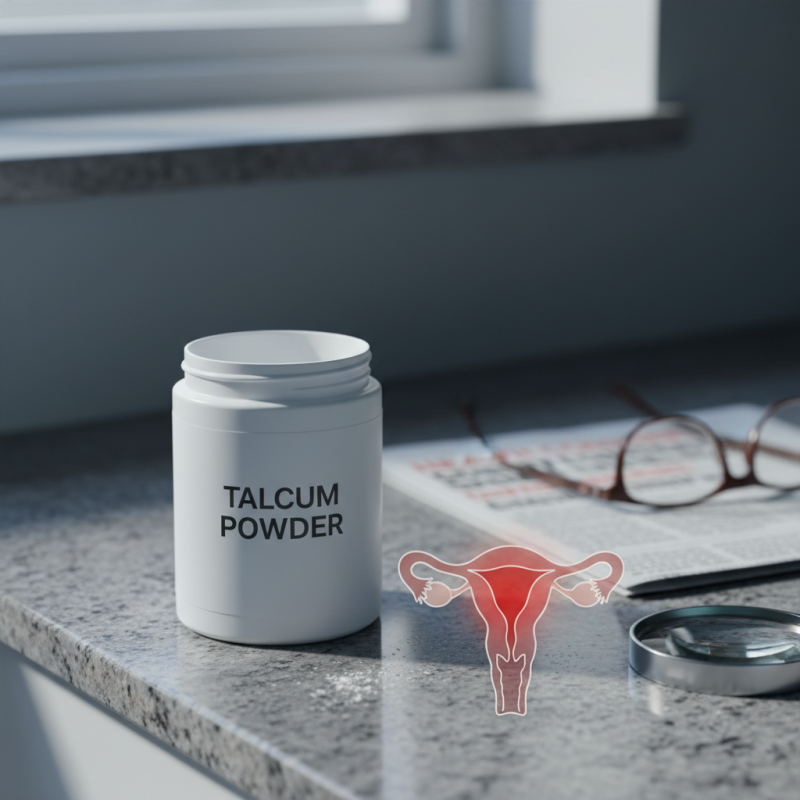
Why Is Talcum Powder Controversial and What Should You Know?
talcum powder has become a focal point of public health debates. Many users rely on it for its moisture-absorbing properties. However, growing concerns have emerged about its safety. According to a 2021 report by the American Cancer Society, longstanding links between talcum powder and ovarian cancer have raised alarm among consumers.
Industry experts like Dr. Sarah Mitchell emphasize the importance of transparency. She stated, "Consumers deserve to know the risks associated with talcum powder." Such statements reflect a shift in industry and consumer awareness. Studies suggest that while some claim talcum powder is safe, others warn of potential dangers.
The controversy surrounding talcum powder highlights a need for critical reflection. Many people have used it without questioning safety. Yet, misinformation can cloud judgment. As discussions continue, it's clear that further research and honesty are essential.
Understanding Talcum Powder: Definition and Common Uses
Talcum powder is a fine powder made from talc, a mineral composed of magnesium, silicon, and oxygen. It is commonly used in personal care products. You will find it in baby powder, body powder, and feminine hygiene products. Many people appreciate its ability to absorb moisture and reduce friction. It helps keep skin dry and comfortable, especially in hot climates.
The application of talcum powder extends beyond personal care. Some use it to keep their clothes fresh and to prevent chafing during athletic activities. In some households, it serves as a dry shampoo alternative. However, despite its widespread use, there are concerns regarding its safety. Many question whether prolonged exposure could lead to health risks, particularly when inhaled.
It's important to reflect on how we use talcum powder. While it has useful applications, some may not be aware of potential risks. Are we prioritizing convenience over safety? This is a critical question to think about. As we consider our choices, understanding the ingredients in the products we use daily is essential.
Historical Context: The Rise of Talcum Powder in Consumer Products
Talcum powder gained popularity in the mid-20th century. It was widely used for personal care and hygiene products. Its silky texture and moisture-absorbing properties made it a favorite. However, its rise was not without controversy. Over the years, concerns about its safety have surfaced. Reports linked talcum powder to potential health risks, which led to public inquiry.
It's crucial to understand the historical context of talcum powder. Many consumers trusted it without hesitation. Yet, research revealed that prolonged exposure might be harmful. This raises important questions about the products we use. People must consider the implications of their choices.
Tips for consumers: Always read ingredients carefully. Seek alternatives when possible. Educating yourself empowers you to make informed choices. Being aware of controversies surrounding products can lead to better decisions. In a world of marketing, stay curious and cautious.
Health Concerns: The Link Between Talcum Powder and Cancer
Talcum powder has been a staple in households for decades. It is often used for its moisture-absorbing properties. However, recent studies have raised serious concerns about its safety, particularly regarding its potential link to cancer. The controversy centers on the presence of asbestos, a known carcinogen, in talc deposits. In fact, the American Cancer Society notes that prolonged exposure to talc that contains asbestos may increase the risk of certain cancers.
Research has shown a correlation between talcum powder use and ovarian cancer. A study published in the Journal of Epidemiology found that women who regularly used talcum powder for feminine hygiene had a 30% higher risk of developing ovarian cancer. Other organizations, like the International Agency for Research on Cancer, classify the use of talc in the genital area as possibly carcinogenic. These findings have sparked debates about the need for better regulation and transparency in the personal care industry.
There is still ongoing debate within the scientific community. Some experts argue that the risk is minimal, while others caution users to be vigilant. It is essential to reflect on these findings critically, especially when considering long-term use. Awareness of ingredients and their potential effects can lead to more informed choices regarding personal care products.
Legal Battles: Major Lawsuits Involving Talcum Powder Manufacturers
Legal battles surrounding talcum powder have stirred significant public concern. Many consumers are unaware of the extensive lawsuits involving manufacturers. These legal cases often allege that talcum powder products contain harmful substances. As a result, consumers question the safety of these common items.
In recent years, numerous lawsuits have gained attention. Plaintiffs claim that their health issues stem from talcum powder use, linking it to serious conditions. Some lawsuits have resulted in massive settlements, raising eyebrows about product safety. It is crucial to stay informed about ongoing litigation to make educated choices.
Tips: Always check ingredient labels. Understand the products you use daily. If unsure, research or consult a health professional. Awareness can lead to better decisions. Remember, knowledge is power in navigating such controversies.
Current Recommendations: What Experts Say About Talcum Powder Usage
Talcum powder has raised several concerns among health experts. Many people use it for personal hygiene. However, recent studies spark discussions about its safety. The substance is linked to potential health risks, particularly cancer concerns. Some researchers have found links to ovarian cancer. This has led to ongoing debates among medical professionals.
Experts now recommend caution. They suggest considering alternatives, especially for intimate areas. Cornstarch-based products may be safer options. It is essential to read labels carefully. Not all powders are equal, and the ingredients matter. While some still trust talcum powder, others urge greater awareness.
Don't ignore the conflicting information out there. Many thrive on what is familiar, yet we must question safety. What seems harmless could have hidden dangers. If you use talcum powder, reflect on your choices. Stay informed and consider expert advice seriously. Your health is worth the extra effort.