Top Tips for Choosing the Best Animal Feed Extrusion Machine?
Choosing the right Animal Feed Extrusion Machine is crucial for optimizing production efficiency and product quality. The global animal feed market is projected to reach over $600 billion by 2025, highlighting the importance of advanced processing technology. Experts like Dr. James Thornton, a leading technician in the field, emphasize, "The right equipment can significantly enhance feed quality and reduce waste."
An efficient Animal Feed Extrusion Machine can transform raw ingredients into highly nutritious feed. This process improves digestibility and nutrient absorption, which are vital for livestock. Advances in extrusion technology have led to machines that not only produce high-quality feed but also minimize energy consumption. According to recent industry reports, a well-chosen machine can improve production rates by up to 30%.
However, selecting an extrusion machine is not without challenges. Buyers must consider their unique needs, budget, and the technical support available. A poorly suited machine could lead to inconsistent feed quality and increased costs. Continuous reflection on these aspects is essential for making an informed decision in this rapidly evolving industry.
Understanding the Basics of Animal Feed Extrusion Machines
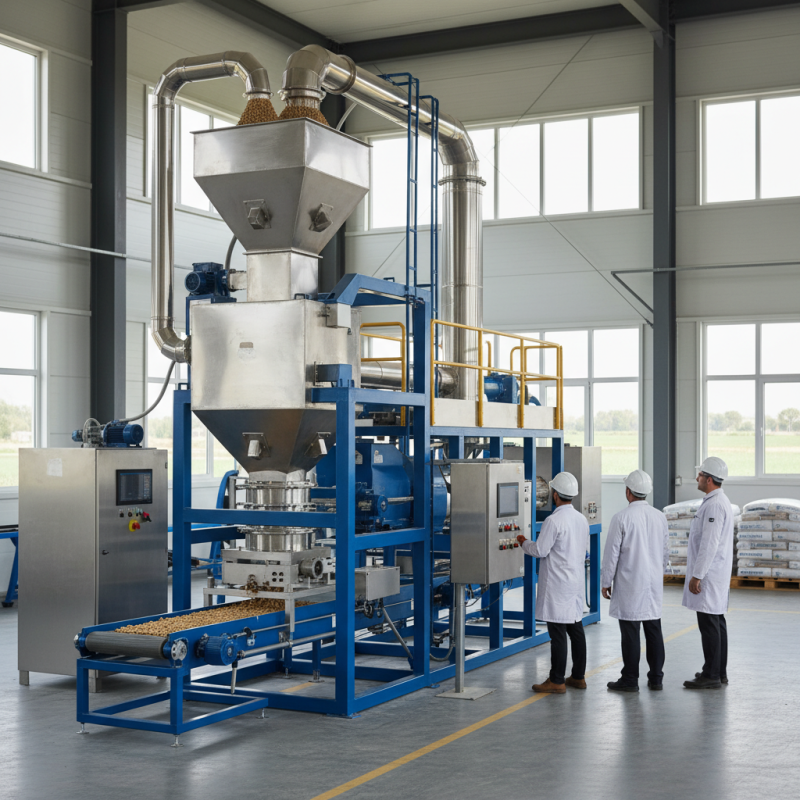
Animal feed extrusion machines play a crucial role in the production of high-quality feed. These machines utilize heat and pressure to transform raw ingredients into palatable, digestible food for livestock. Understanding the basics helps you make informed decisions. Extrusion improves nutrient absorption and can enhance the shelf life of feeds.
When choosing an extrusion machine, consider the types of feeds you will produce. Different animals require specific formulations. Machinery must be versatile enough to handle various raw materials. You should also examine the producer's experience in this field. Well-known manufacturers often share expertise through resources and insights. Be cautious, as not all information is reliable.
The complexity of extruders can be daunting. Some features may seem attractive but aren’t always necessary for small operations. A higher capacity machine may not be suitable for startups or smaller farms. It's vital to evaluate your needs carefully. Customer reviews and feedback can provide valuable insights but also highlight areas that may need improvement. Choose wisely based on both efficiency and user requirements.
Key Features to Look for in an Extrusion Machine
When choosing an animal feed extrusion machine, consider crucial features carefully. One key aspect is the machine’s capacity. It should meet your production needs without sacrificing quality. Look for models that offer adjustable settings. This flexibility allows for fine-tuning of feed texture and consistency, which can impact animal health.
Temperature control is another vital feature. Proper heating ensures that nutrients in the feed are preserved. Machines with efficient temperature regulation tend to produce higher-quality feeds. Additionally, check for energy efficiency. A machine that uses less energy can save costs over time.
Don't overlook safety aspects. Machines should have protective features to prevent accidents. Regular maintenance options are essential too. An easily maintainable machine reduces downtime and enhances long-term productivity. Choosing the right extrusion machine requires careful consideration of these features for optimal results.
Assessing Output Capacity and Production Efficiency
When choosing an animal feed extrusion machine, evaluating output capacity and production efficiency is crucial. It's essential to understand that the capacity of these machines varies widely. According to recent industry reports, machines can range from 300 kg/h to over 5,000 kg/h. This disparity makes assessing the right machine for your needs vital.
To maximize production efficiency, look for machines with dual-screw technology. This design allows better mixing and cooking of feed, improving nutrient absorption. Additionally, consider how easy it is to maintain the machine. Downtime for repairs can significantly impact your overall output. A well-maintained extruder can operate at 90% efficiency or higher, according to expert analyses.
One tip is to calculate your current and future feed requirements. Is your business growing? If so, investing in a machine with higher output capacity can save costs in the long run. Another tip is to seek machines with energy-efficient features. They can reduce operating costs significantly. Always take the time to evaluate these aspects. Investing in the right machine will support sustainable growth in your feed production.
Evaluating Material Compatibility and Versatility
When selecting an animal feed extrusion machine, evaluating material compatibility and versatility is crucial. Extrusion machines differ widely in their ability to handle various feed types. Understanding this capability helps to ensure the right choice. According to a recent industry report, around 45% of extrusion failures are attributed to material incompatibility. Therefore, proper evaluation of materials is essential.
The machine should accommodate diverse raw materials. This includes grains, proteins, and additives. Flexibility can enhance production efficiency and reduce downtime. However, the more versatile the machine, the more complex its operating parameters may become. It's vital to train staff on these intricacies. With over 60% of manufacturers noting compatibility as a key factor in production success, investing in a versatile machine pays off in the long run.
Additionally, be mindful of the cost implications. A machine with broad material compatibility may have higher initial costs. Still, it can lead to savings over time. According to market research, facilities that prioritize versatility see up to a 30% increase in production output. Failures from poor material choice can lead to significant losses. Thus, assessing versatility should not be overlooked.
Budget Considerations and Return on Investment Analysis
When choosing an animal feed extrusion machine, budget plays a crucial role. Establishing a clear budget helps narrow down options. Consider both the initial purchase cost and the long-term operational expenses. Quality machines often require higher upfront investments. However, they can lead to significant savings over time. Look for machines that balance cost and features.
Return on investment (ROI) analysis is essential in this decision. Calculate potential productivity gains against costs. High-quality extruders improve feed quality and may reduce waste. Analyze your production volume to understand the impact on your financials. If your output increases, even small improvements can translate into larger profits.
Assessing the machine’s efficiency and durability is crucial. A cheaper option may save money now but lead to frequent repairs. This reflects poorly on your budget in the long run. Reflecting on past decisions can reveal insights. Consider whether initial savings were worth the subsequent costs.
Top Tips for Choosing the Best Animal Feed Extrusion Machine
| Feature | Description | Estimated Cost (USD) | ROI (Years) |
| Capacity | The amount of feed produced per hour. | $20,000 | 2 |
| Energy Efficiency | Energy consumption level during operation. | $15,000 | 1.5 |
| User-Friendly Controls | Ease of use for operators and maintenance. | $12,000 | 1 |
| Durability | Longevity and resilience of the machine. | $22,000 | 2.5 |
| Maintenance Costs | Regular upkeep and repair expenses. | $8,000 | 0.5 |