Essential Tips for Choosing the Right Fuse and Relay Box?
When selecting a Fuse And Relay Box, it's critical to understand your vehicle's specific electrical requirements. Industry reports indicate that over 60% of automotive electrical failures can be traced back to inadequate or incorrect fuse usage. These systems protect vital components from overcurrent issues. Failure to choose the right fuse can lead to costly repairs and safety hazards.
Many drivers overlook the importance of a reliable Fuse And Relay Box. A well-designed box not only prevents overload but also ensures consistent performance. For instance, a study by the National Institute for Automotive Service Excellence states that an estimated 30% of vehicles on the road have subpar electrical systems. This highlights the need for proper component selection.
Thoughtful consideration is key. A common mistake is opting for generic fuse boxes, which may not suit specific vehicle models. This can lead to compatibility issues and system failures. Understanding the exact requirements of your vehicle enhances reliability. This shows the need to choose wisely for a safer driving experience.
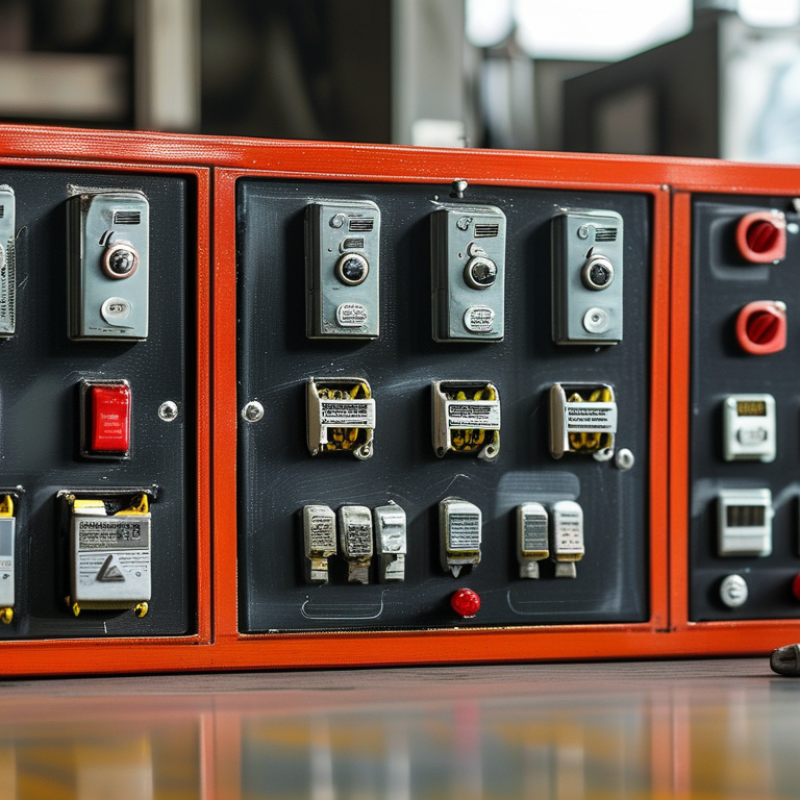
Understanding the Functionality of Fuse and Relay Boxes
Understanding fuse and relay boxes is crucial for any vehicle or electrical system owner. Fuse boxes protect circuits from overload. When too much current flows, fuses blow, preventing damage. Relay boxes control high-power devices with a low-power signal. Knowing how these components function helps in troubleshooting issues.
When selecting a fuse box, consider the number of circuits required. Each fuse needs a designated slot. Ensure the box can accommodate future upgrades. Relay boxes should match the power requirements of the devices they control. Look at the specifications to avoid mismatches. A poorly matched relay could lead to system failure.
Installation can be tricky. Improper connections may cause fuses to blow repeatedly. It’s essential to double-check all wiring before powering up. Don't rush the installation process. Mistakes can lead to costly repairs. Test the system thoroughly after installation. Identifying issues early can save time and resources.
Identifying Different Types of Fuses and Relays
Choosing the right fuse and relay box begins with understanding the different types available. Fuses protect electrical circuits by breaking the connection during overloads. There are blade fuses, glass fuses, and ceramic fuses, each with unique characteristics. Blade fuses are common due to their easy installation. Glass and Ceramic fuses offer higher heat resistance, making them suitable for more demanding situations. Understanding these options helps in selecting the right type for your application.
Relays, on the other hand, control the flow of electricity. Electromagnetic relays are widely used. They switch high power appliances on and off efficiently. Solid-state relays provide rapid switching without moving parts. This makes them ideal for sensitive electronics. However, their cost can be a drawback. Assessing the power requirements and switching frequency is crucial before deciding.
It’s also important to consider compatibility. Not every fuse or relay box fits every device. Choosing an incompatible part may lead to failure or safety risks. Take time to review specifications, but don't worry if you make mistakes. Learning from your experiences helps in making better choices.
Assessing Compatibility with Vehicle Specifications
When selecting a fuse and relay box, compatibility with vehicle specifications is crucial. Many factors come into play, including voltage ratings and the amperage of your vehicle's electrical system. Ensure that the components you choose can handle the specific electrical loads without risk of failure. Mismatched components may lead to serious electrical issues.
Additionally, understand the configuration of your current setup. Different vehicles have unique fuse layouts and relay configurations. Studying your owner’s manual can provide valuable insights. It's essential to ensure that the mounting size and connector types align with your existing wiring harness. Misalignment can result in poor connections or even complete system failure.
In your pursuit of the right fuse and relay box, consider relying on expert resources. Visiting forums and communities dedicated to vehicle repairs can help guide your decision. You might come across differing opinions about specific components. Take these discussions with caution, as varying conditions can influence performance. Stay informed to make a choice that suits your vehicle’s needs.
Essential Tips for Choosing the Right Fuse and Relay Box
Understanding the compatibility of fuses and relay boxes with vehicle specifications is crucial for optimal performance and safety. The following chart illustrates the common fuse ratings and their appropriate vehicle applications.
Evaluating Material Quality and Durability Standards
When selecting a fuse and relay box, material quality and durability are crucial. The robustness of the materials used directly impacts the lifespan of electrical components. According to industry reports, high-grade plastic such as thermoplastic polycarbonate is recommended for its resistance to heat and corrosion. Such materials ensure that the box withstands environmental factors and electrical stress over time.
Tips for evaluating material quality include checking for UL certification and compliance with industry standards. This certification guarantees that the materials can endure extreme conditions. Additionally, consider the impact resistance of the box; products that sustain high mechanical stress often have enhanced durability ratings.
Another detail often overlooked is the finishing of the materials. A well-finished box can prevent moisture and dust ingress, prolonging the life of circuits. Regularly inspecting fuse and relay boxes can highlight wear and potential risks. Look for signs of discoloration or deformation, which may indicate inadequate material quality.
Essential Tips for Choosing the Right Fuse and Relay Box
| Dimension | Material Quality | Durability Standard | Temperature Rating | Weight |
| Compact | High-grade Plastic | IP67 | -40°C to 85°C | 200g |
| Standard | ABS Plastic | IP56 | -20°C to 70°C | 300g |
| Large | Polycarbonate | IP65 | -30°C to 90°C | 500g |
| Automotive | Nylon | IP68 | -40°C to 121°C | 150g |
Installation Considerations for Optimal Performance
When installing a fuse and relay box, placement is key. The location should protect it from moisture and extreme temperatures. According to a study conducted by the Electrical Safety Foundation, nearly 30% of electrical failures are attributed to improper installation. Selecting the right materials also enhances durability. Using high-quality terminals and connectors can reduce the risk of corrosion and improve performance.
Wiring is another critical factor. Ensure that wire gauges comply with electrical load requirements. The National Electrical Code suggests keeping wiring as short as possible to minimize resistance. Properly securing and routing the wires prevents unnecessary wear. A poorly assembled connection can create heat, leading to failures or hazards.
Lastly, consider ventilation. A well-ventilated box can prevent overheating, which is crucial for longevity. Experts recommend adding heat sinks or fans in high-load scenarios. Regular inspections help identify potential weaknesses early. This proactive approach can ensure that your system remains efficient and safe over time.