Top 10 Livestock Feeding Equipment for Efficient Farming Solutions?
In the realm of agriculture, Livestock Feeding Equipment plays a vital role in optimizing productivity and efficiency. Expert Dr. Jane Smith, a renowned authority in livestock management, emphasizes, "Effective feeding systems are key to maximizing production while ensuring animal welfare."
Farmers face challenges in choosing the right feeding equipment. Selecting suitable tools can significantly impact the growth and health of livestock. Specialized equipment helps in delivering the right nutrition at the right time. These technologies can enhance feed accuracy and reduce waste.
However, not all farms are equipped with the latest Livestock Feeding Equipment. Many rely on outdated methods that may hinder efficiency. It’s essential to evaluate current practices continually. Transitioning to advanced systems can yield substantial benefits in the long run. Embracing these innovations will lead to a more sustainable farming future.
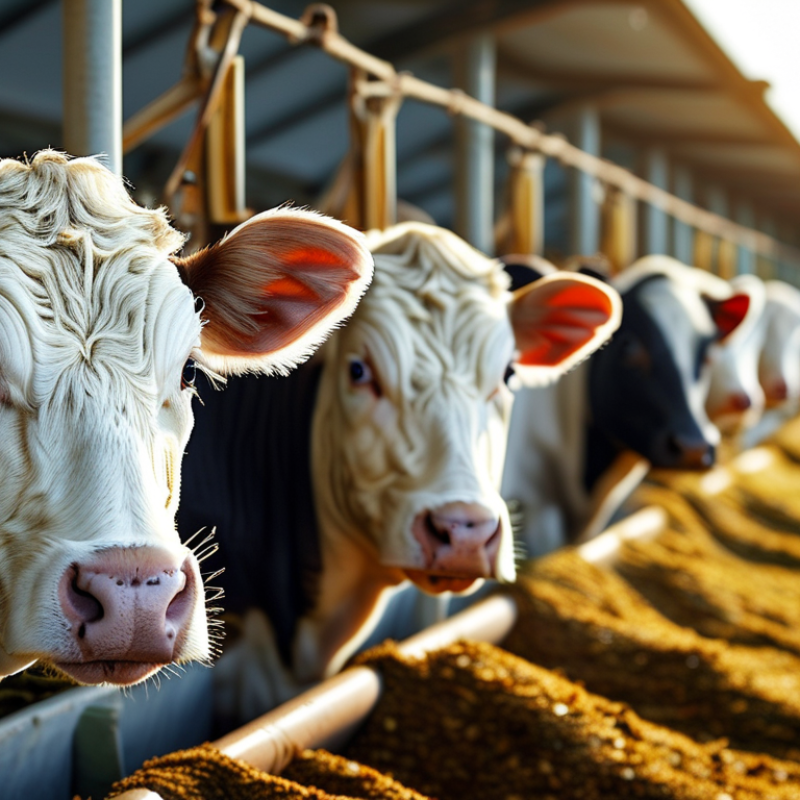
Top 10 Livestock Feeding Equipment for Improved Feed Efficiency
Efficient feed management is crucial in livestock farming. Reducing feed waste directly improves feed efficiency. Reports show that proper feeding techniques can lead to a 20% increase in feed conversion rates. Accurate equipment plays a key role in achieving this. Farmers need intuitive designs that simplify the feeding process. Simple adjustments in feeding devices can lead to significant savings in operational costs.
Understanding the nutritional needs of livestock is essential. Each species has specific dietary requirements. Advanced equipment can ensure that animals receive optimal nutrition without excess. For instance, precision feeders can automate portions based on real-time data. This reduces inconsistencies and minimizes waste. A study indicates that improper feeding methods can lead to a 30% reduction in expected weight gain.
Many livestock operations still face challenges with outdated equipment. This can hinder feed efficiency and profit margins. Regular evaluations of feeding systems are necessary. Reflecting on past performance can lead to better choices in equipment selection. Increasing awareness around modern feeding practices can drive advancements in the industry.
Analyzing the Impact of Automated Feeders on Livestock Growth Rates
Automated feeders are transforming livestock farming. These devices measure feed portions precisely. Reports show that proper feeding increases growth rates by up to 20%. Livestock growth is directly influenced by meal timing and nutrition balance. Automated systems provide consistent dietary schedules, reducing human error.
Research indicates that livestock fed with automated systems experienced a 15% improvement in weight gain. This efficiency helps farmers optimize feed usage and lowering overall costs. Despite the benefits, there are challenges. Some farmers hesitate due to high initial investments. Ongoing maintenance and technical issues also pose challenges.
**Tip:** Regularly monitor and calibrate feeders for optimal performance. Quality control is key in automated systems. Feed types should match livestock needs, enhancing growth and productivity. Ensure staff are trained in equipment handling. This can prevent breakdowns and improve feeding efficiency. Taking these steps can maximize your investment.
Comparative Study of Trough vs. Bunker Feeders in Nutritional Output
When considering livestock feeding strategies, it’s crucial to evaluate the nutritional output of different feeder types. Trough feeders are often used due to their simplicity and low cost. However, studies show they can lead to significant feed wastage. Research indicates that wastage can reach up to 25% in trough systems, negatively impacting farmers' profitability.
In contrast, bunker feeders appear to minimize waste. A comparative study by agricultural researchers highlighted that these systems can improve feed efficiency by 15% to 20%. This is a notable gain for farms aiming for optimal nutritional delivery. Bunker feeders provide better access and reduce competition among animals, leading to a more uniform intake of feed.
Tips: Regularly monitor feed intake patterns. This can help adjust feeding strategies and ensure optimal growth for livestock. Consider the specific needs of your herd when choosing between troughs and bunkers. Each farm's layout and animal behavior can greatly influence feeder effectiveness. Understanding these nuances can prevent waste and enhance overall efficiency.
Innovations in Feed Mixer Technology and Their Economic Benefits
Innovations in feed mixer technology have transformed livestock farming. These advancements enable precise mixing of ingredients, ensuring balanced nutrition for animals. Farmers can now customize feed to meet specific dietary needs. This flexibility can lead to healthier livestock and improved overall productivity.
Modern feed mixers use automation to enhance efficiency. They often feature programmable settings to adjust mixing times and ingredient ratios. These innovations reduce labor costs and save time, allowing farmers to focus on other essential tasks. However, not all innovations prove beneficial. Some farmers may struggle to adapt, facing a learning curve with new technologies.
Economic benefits are clear. With better nutrition, livestock grow faster and produce more milk or meat. This can result in higher profits for farmers. Yet, the initial investment in advanced equipment can be daunting. It’s vital for farmers to weigh these costs against potential gains. Understanding this balance is crucial for making informed decisions in farming practices.
Top 10 Livestock Feeding Equipment Efficiency Comparison
Understanding the Role of Nutritional Management Software in Feeding Strategy
Nutritional management software plays a vital role in modern livestock feeding strategies. These systems analyze dietary needs effectively. By tracking nutrient intake, they help optimize animal health and production. Farmers can create customized plans based on animal age, weight, and breed. This ensures livestock receive the right balance of nutrients.
Tips: Regularly review feeding data. Adjust your strategy based on animal performance. Monitor their weight and growth rates frequently. Pay attention to any health issues that arise.
Moreover, utilizing this software can identify potential deficiencies early. It can recommend feed alternatives when resources are low. However, it's essential to remain skeptical about over-reliance on technology. Sometimes, traditional methods can still provide valuable insights.
Most importantly, keep communication open with your farm team. Discuss nutritional observations and gather feedback. Collaboration improves the overall effectiveness of feeding protocols. Remember, flexibility is key to adapting feeding strategies as livestock needs change over time.