Top Power Connector Types for Global Buyers What to Consider?
In the rapidly evolving landscape of electrical components, the choice of the right "Power Connector" is crucial for global buyers. Renowned industry expert, Dr. Henry C. Lowe, emphasizes, "Selecting the right connections can make or break a project." His insights highlight the importance of understanding various connector types.
Power Connectors serve as the vital link between systems and devices. Their reliability affects performance and safety. Buyers must consider factors like voltage, current rating, and environment. Many overlook these details, leading to costly mistakes. A connector that doesn’t fit can disrupt entire operations.
As the demand for advanced technologies grows, so does the complexity of Power Connectors. They come in various shapes and specifications. It’s essential to reflect on the specific requirements of your application. Not every connector will meet every need. In this intricate arena, making informed decisions is imperative for success.
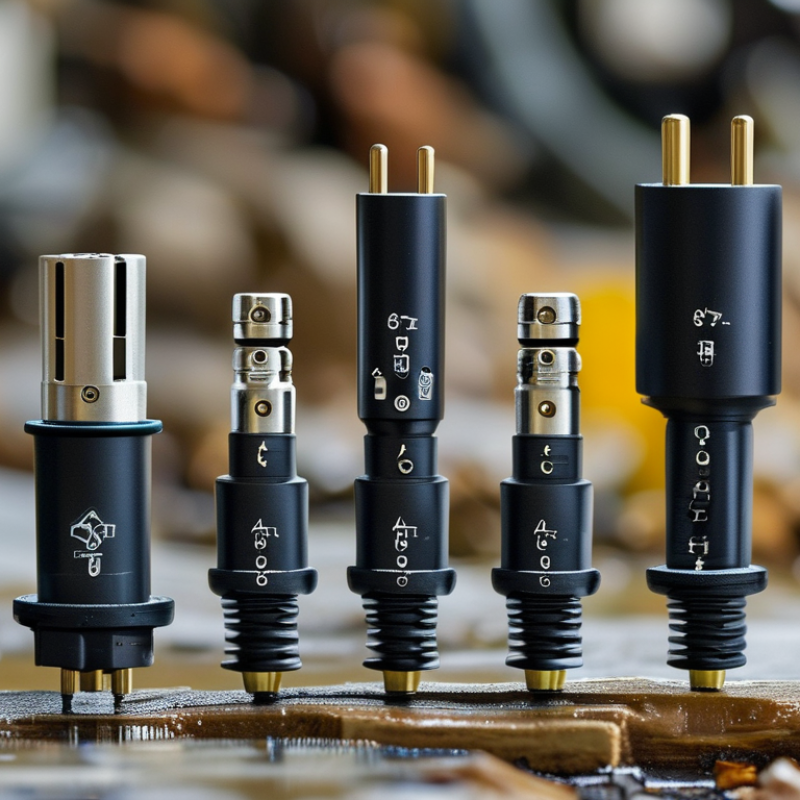
Overview of Power Connector Types Available Globally
When selecting power connectors, understanding the types available globally is crucial. Each type serves specific applications, ensuring device compatibility and safety. Common varieties include AC and Dc Connectors. The distinction between these two is vital. AC connectors are ideal for residential and commercial systems, while DC connectors often power electronic devices directly.
Several power connector shapes exist. For instance, the NEMA connectors are predominantly used in North America. In Europe, you might encounter Schuko connectors. Each connector type has unique specifications, making it essential to respect local standards and requirements.
But the world of power connectors isn’t perfect. Many users overlook the importance of compatibility. Failing to match connectors can lead to equipment malfunction. Additionally, materials used in connectors can vary, impacting durability and conductivity. This inconsistency should prompt users to reflect on their choices.
Top Power Connector Types for Global Buyers
This chart displays the various types of power connectors used globally, along with their popularity across different regions. The data represents the estimated market share of each connector type, making it easier for buyers to understand the options available.
Key Factors to Consider When Selecting Power Connectors
When selecting power connectors, several key factors come into play. Compatibility is paramount. Different devices may require specific types. Make sure the connector matches the technical specifications of your application. Incompatible connectors can lead to failures or unsafe conditions.
Next, consider the current and voltage ratings. Choose connectors that can handle the load your application demands. This prevents overheating and potential damages. The material of the connectors also plays a role. Look for corrosion-resistant materials, especially in harsh environments.
Finally, evaluate the ease of use. Connectors should be simple to plug and unplug while maintaining a secure connection. Manufacturers often overlook this aspect, which can lead to frustrations during installation and maintenance. Users should assess the design and usability before making a choice. Power connectors are more than just metal pieces; they play a critical role in ensuring device functionality.
Comparative Analysis of Power Connector Standards
When exploring power connector standards, global buyers need to consider various factors. Different regions favor specific types, affecting compatibility. The International Electrotechnical Commission (IEC) often sets the standard for safety and efficiency. These standards can range from connectors used in consumer electronics to industrial applications. Understanding the nuances is essential to meet unique requirements.
Each connector type has its advantages and drawbacks. For instance, while some connectors offer high current capacity, they may lack compactness. Others might be smaller but not suitable for high power applications. A buyer must weigh these factors carefully. Local regulations can also impact suitability. Some connectors may meet international standards but fail in local settings. Therefore, assessing local needs is crucial.
The landscape of power connectors evolves rapidly. New technologies emerge, making some connectors obsolete. Buyers must stay informed to avoid costly mistakes. Engaging with experts can provide insights into upcoming trends. However, it's vital to recognize that standards are not absolute. Regular reviews and adjustments might be necessary to ensure compliance and efficiency. This dynamic nature brings both challenges and opportunities for global buyers.
Regional Variations in Power Connector Preferences
When examining regional variations in power connector preferences, it’s essential to recognize that local market demands heavily influence these choices. According to a recent report by the International Electrotechnical Commission (IEC), the demand for specific connectors varies significantly across regions. For example, Europe tends to favor connectors with robust design standards, while North America often opts for speed and efficiency.
Cultural factors also play a role in selection. In Asia, there is a growing emphasis on flexibility and integration, reflecting broader technological trends. A study by the global market research firm Technavio highlights that approximately 45% of buyers in Asia prefer connectors that support smart technology integration. Conversely, regions with older infrastructure may still depend on traditional power connectors, leading to discrepancies in user experience and satisfaction.
Moreover, adaptation to local regulations can pose challenges. Buyers must navigate varying compliance standards. A disconnect may occur when manufacturers fail to consider these regulations in their designs. The lack of uniformity can hinder functionality and create confusion for users, revealing a gap that needs addressing. This understanding calls for a more nuanced approach from stakeholders to better cater to regional preferences.
Future Trends in Power Connector Technology and Design
The future of power connector technology is bright, yet complex. As global industries evolve, there’s a growing demand for high-performance connectors. Reports estimate a compound annual growth rate (CAGR) of 6.3% for the connector market from 2021 to 2026. This growth is driven by the acceleration in renewable energy and electric vehicles.
Innovations in materials and design are critical. For instance, connectors are moving towards miniaturization without compromising durability. A recent study revealed that smaller connectors can reduce space in electronic devices by nearly 30%. However, this approach also challenges manufacturers to ensure reliability under varying environmental conditions. They must reflect on balancing size with performance and longevity.
Amid these advancements, sustainability remains a concern. The industry is increasingly focusing on recyclable materials and eco-friendly production processes. Reports indicate that up to 40% of respondents in a recent survey prioritize sustainability in their purchasing decisions. The challenge lies in maintaining cost-effectiveness while adhering to these higher standards. As technology progresses, industries must continually reassess their strategies to meet both performance and environmental expectations.