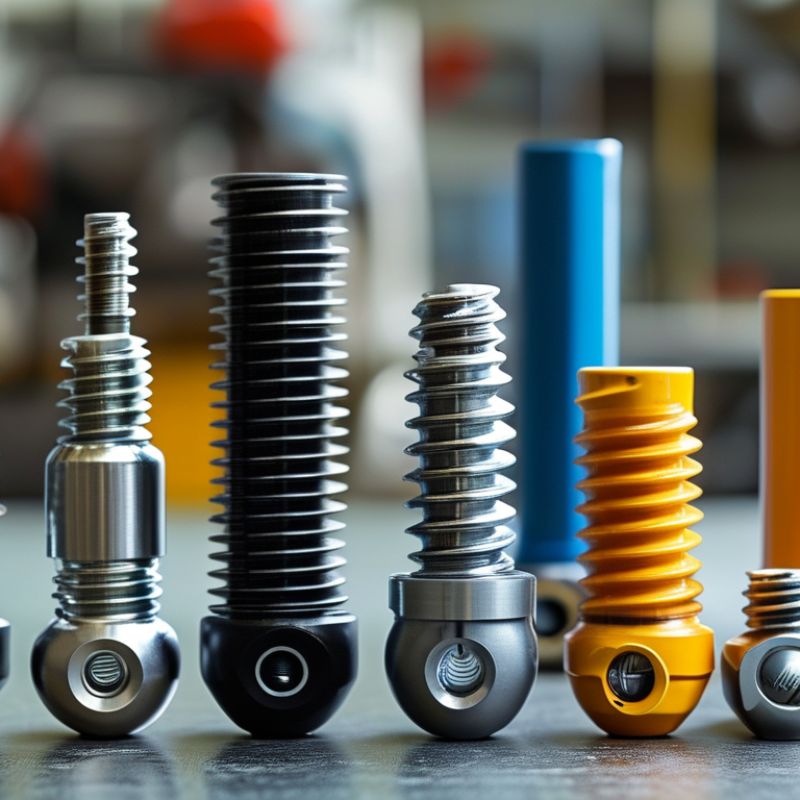
Top 10 Threaded Ball Types You Need to Know About?
Threaded Balls play a crucial role in various mechanical systems. These versatile components assist in providing precise movements and stability. From industrial applications to everyday items, understanding the different types of threaded balls is essential.
In this section, we will explore the top 10 threaded ball types you need to know about. Each type has unique characteristics and functions. For instance, some are designed for heavy load capacities, while others excel in reducing friction. Knowing the right one for your needs can save time and enhance performance.
However, choosing the correct threaded ball can be challenging. Each application requires careful consideration of factors like material, size, and load. This guide aims to simplify this process and provide expert insights. Take note of these details, as they can significantly impact the effectiveness of your projects.
What Are Threaded Balls and Their Importance in Various Applications?
Threaded balls are crucial components in many industries. They are designed to work effectively under pressure and various mechanical stresses. According to the International Organization for Standardization (ISO), threaded balls account for over 15% of fastener failures. This statistic highlights their importance in ensuring safety and reliability.
In construction, automotive, and aerospace applications, threaded balls often support heavy loads. They play a vital role in enabling machinery to function smoothly. Research from the American Society of Mechanical Engineers indicates that improper ball selection can lead to catastrophic failures. This underlines the need for precise engineering and quality material selection.
Manufacturers increasingly focus on enhancing the durability of threaded balls. Recent advancements have led to improved tensile strength and resistance to wear. Notably, studies show that high-quality stainless steel balls can last five times longer than their lower-grade counterparts. However, the cost of these superior materials often prompts reflection on long-term investments versus short-term savings.
Common Materials Used for Manufacturing Threaded Balls
When it comes to threaded balls, the materials used in their manufacturing play a crucial role. Common options include stainless steel, plastic, and ceramic. Stainless steel offers excellent strength and corrosion resistance. It is ideal for high-load applications. However, it can be more expensive than other materials. Users should weigh the benefits against costs carefully.
Plastic is another popular choice. It is lightweight and often more affordable. However, plastic may not handle high temperatures as well as metal counterparts. This limitation can affect performance in certain environments. Understanding the specific application is vital when selecting materials for threaded balls.
Ceramic threaded balls provide unique advantages too. They resist wear and have a low friction coefficient. They can withstand harsh conditions, making them suitable for specialized applications. However, they may not withstand sudden impacts as well as metals. Choosing the right material requires balancing performance needs and budget constraints. Experimentation may reveal unexpected results.
Top 10 Threaded Ball Types You Need to Know About
| Ball Type | Material | Typical Use | Diameter Range (mm) | Load Capacity (N) |
| Steel Threaded Ball | Carbon Steel | Heavy Machinery | 10 - 50 | 1000 |
| Plastic Threaded Ball | PVC | Lightweight Applications | 5 - 30 | 250 |
| Aluminum Threaded Ball | Aluminum Alloy | Automotive Parts | 10 - 40 | 800 |
| Brass Threaded Ball | Brass | Plumbing Fixtures | 8 - 35 | 600 |
| Nylon Threaded Ball | Nylon | Electronics | 6 - 25 | 300 |
| Stainless Steel Threaded Ball | Stainless Steel | Food Processing | 10 - 45 | 1200 |
| Titanium Threaded Ball | Titanium Alloy | Aerospace | 8 - 38 | 1500 |
| Cast Iron Threaded Ball | Cast Iron | Construction | 15 - 60 | 2000 |
| Ceramic Threaded Ball | Ceramic | High-Tech Applications | 5 - 20 | 150 |
| Rubber Threaded Ball | Rubber | Shock Absorption | 10 - 30 | 350 |
The Top 10 Types of Threaded Balls and Their Unique Features
When it comes to threaded balls, understanding their unique features is crucial for various applications. Threaded balls come in different designs, each tailored for specific needs. For instance, a standard threaded ball is perfect for everyday use, offering a reliable grip and consistency. Meanwhile, a heavy-duty threaded ball is designed for harsher environments, ensuring durability and resilience under pressure.
Another interesting type is the soft-touch threaded ball. It is specifically engineered for enhanced control and comfort. Using this type can significantly improve handling, especially in prolonged use scenarios. On the other hand, the composite threaded ball offers versatility, as it combines different materials for strength and flexibility. Users often find that choosing the right type can affect performance drastically.
Exploring these various types can be enlightening but also overwhelming. Many find themselves confused by the choices available. It’s essential to prioritize needs over trends. A specific application may not require the latest design, and opting for a simpler model can sometimes yield better results. This reflection on choices can lead to wiser decisions in threaded ball selection.
Applications of Each Type of Threaded Ball in Different Industries
Threaded balls are crucial in various industrial applications. Different types offer unique advantages tailored to specific needs. For example, carbon steel threaded balls are common in the oil and gas sector. They withstand high pressures and extreme temperatures. This durability is essential for pipeline integrity. In fact, reports show that over 30% of oil and gas failures relate to valve and ball issues.
In the automotive industry, nylon-threaded balls are gaining traction. Their lightweight nature helps improve fuel efficiency. Studies suggest that using lighter materials can enhance vehicle performance by up to 15%. However, balancing durability with weight reduction leaves room for reconsideration. Is the trade-off worth the potential risk?
Tips: Regular maintenance of threaded balls is crucial. Inspecting them can preempt costly failures. In the aerospace industry, stainless steel options are preferred for their strength and resistance to corrosion. They can endure harsh chemicals and environments. Yet, their high cost may deter small manufacturers from adopting them. Exploring alternative materials could lead to innovative solutions.
Maintenance Tips for Prolonging the Life of Threaded Balls
Maintaining threaded balls is crucial for their longevity. Regular inspections are essential. Check for signs of wear or damage. A small crack can lead to bigger issues later. Cleaning them correctly also plays a significant role. Use a soft cloth to remove debris. Avoid harsh chemicals; they can lead to corrosion.
Lubrication is another important aspect. Use suitable lubricants to ensure smooth operation. However, over-lubrication can attract dust and dirt. Finding the right balance requires experimentation. It’s a process of understanding how your specific threaded balls react.
Storage also matters. Keep them in a dry, cool place. Humidity can cause rust, even on stainless steel. However, not all storage solutions are created equal. Some can lead to deformation over time. Always assess your storage options before deciding. Each step in maintenance builds toward a longer life for your threaded balls.
Top 10 Threaded Ball Types You Need to Know About
This chart displays the popularity index of the top 10 threaded ball types you should know about. The popularity index is based on various factors such as usage frequency, user reviews, and availability.