What is a Transformer Substation and Its Importance to Industry?
In the realm of electrical engineering, Transformer Substations play a vital role in modern industry. Renowned expert Dr. Emily Johnson emphasizes their significance, stating, "Transformer substations are the backbone of industrial power distribution." This assertion highlights how essential these facilities are for efficient energy management. They ensure the reliable transmission of electricity from generation sources to various commercial and industrial destinations.
Transformer substations convert high-voltage electricity from power plants into lower voltages suitable for consumption. This process not only enhances safety but also minimizes energy loss during transmission. In an age where energy efficiency is paramount, the importance of transformer substations cannot be overstated. They facilitate the smooth operation of various sectors, from manufacturing to technology, allowing for uninterrupted productivity.
However, the complexities of maintaining transformer substations are not to be overlooked. Regular inspections and updates are critical. Aging equipment can lead to inefficiencies. Innovative technology is needed to address these challenges. Awareness of these issues is essential for industry stakeholders to make informed decisions in their energy infrastructure.
What is a Transformer Substation?
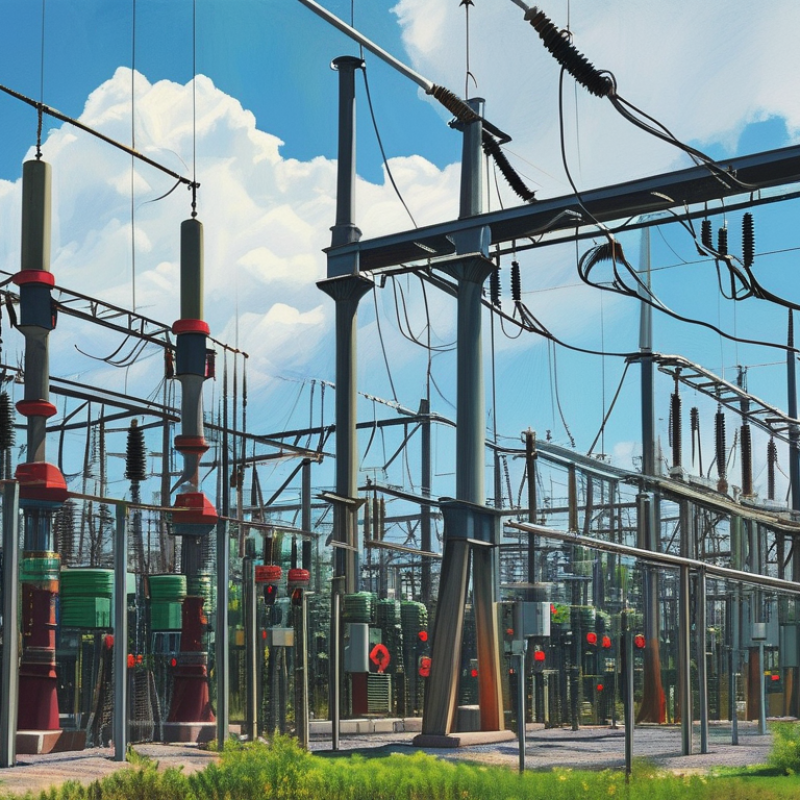
A transformer substation is a crucial component in the electrical distribution network. It is designed to step down high-voltage electricity to a lower voltage suitable for residential and industrial use. By efficiently converting voltage levels, these substations ensure that electricity reaches its destination safely and effectively.
In a typical transformer substation, you'll find various equipment working together. Transformers, circuit breakers, and control systems all play their parts. These devices help in controlling the flow and quality of electricity. For instance, the transformer’s core is made of laminated steel, which reduces energy losses. This design allows for more efficient energy transfer. However, some substations still face issues with overheating or maintenance challenges, which indicates a need for regular checks and updates.
Understanding the importance of transformer substations is vital for industries. They not only contribute to reliable power supply but also enhance energy efficiency. Without these stations, many industries would struggle to operate smoothly. It's essential to consider improvements and innovations in this area. As technology evolves, so should our approach to managing transformer substations.
Key Components of Transformer Substations
Transformer substations play a critical role in electricity distribution. They facilitate the transfer of high-voltage electricity to lower levels suitable for industrial use. The main components of these substations include transformers, circuit breakers, and switchgear. Each part functions cohesively to ensure efficient power management.
Transformers convert high voltage to lower voltage. This process reduces transmission losses, optimizing energy use. Circuit breakers are essential for safety. They automatically disconnect the supply in case of faults. Switchgear supports the control and protection of electrical equipment. Together, these components ensure a stable power supply.
While transformer substations maximize efficiency, issues can arise. Regular maintenance is necessary to prevent outages. Aging equipment can lead to failures. Operators must monitor performance consistently. A proactive approach can mitigate risks and improve reliability. Understanding these components helps industries appreciate their value in daily operations.
Functions and Operations of Transformer Substations
Transformer substations serve a critical role in electrical power distribution. They receive high-voltage electricity from transmission lines and step it down to lower voltages. This process makes electricity safe for use in homes and industries. The design includes transformers, switchgear, and safety equipment to manage electrical flow efficiently. The transformers are key components, ensuring a stable voltage supply.
The operations within a transformer substation are complex. Each substation is equipped with monitoring systems to track performance. This helps identify issues before they escalate. Regular maintenance is essential to ensure reliability and efficiency. However, failures do occur, potentially leading to power outages. Reflecting on these vulnerabilities can provide valuable insights for improving design and operations.
Moreover, the location of substations affects local economies. Urban areas require more substations due to higher demand. This can lead to complex planning and collaboration between various stakeholders. However, the process may face challenges, including environmental concerns. Balancing these factors is crucial for sustainable development in energy distribution. Understanding these operations enhances appreciation for the infrastructure that powers everyday life.
Importance of Transformer Substations in Industry
Transformer substations play a critical role in industrial settings. They facilitate the transformation of high voltage electricity into lower voltages suitable for consumption. In 2022, the global transformer market was valued at approximately $40 billion, with substations accounting for a significant share. Their operational efficiency directly impacts the productivity of industries. A well-maintained substation can enhance energy reliability, reducing downtime and operational risks.
Moreover, the environmental and economic significance of transformer substations cannot be overlooked. According to recent studies, implementing modern substations can lead to energy savings of up to 30%. This efficiency translates to substantial cost reductions and lowers carbon footprints. However, challenges remain. Aging infrastructure and lack of proper maintenance can lead to inefficiencies. These issues are often reflected in rising operational costs, which can hinder industrial growth.
Investing in advanced transformer technologies is essential but often overlooked. Industry reports indicate that a staggering 60% of substations operate beyond their optimal lifecycle. Companies sometimes prioritize short-term savings over long-term reliability. This could result in significant long-term financial repercussions. Addressing these concerns through upgrades and regular assessments is crucial for sustaining industrial progress.
Future Trends and Innovations in Transformer Substation Technology
The future of transformer substations is evolving, driven by technological innovations and the demand for efficiency. Recent studies show a projected growth of 6.5% in the transformer market over the next few years. This growth reflects the evolving needs of industries for smarter energy solutions. Key trends include the integration of Internet of Things (IoT) technology, which enhances monitoring and predictive maintenance. Sensors embedded in transformers will provide real-time data, reducing downtime and increasing reliability.
Another significant trend is the transition towards eco-friendly materials. The use of biodegradable oils in transformers is becoming more common. This shifts the industry towards sustainability while addressing environmental concerns. The adoption of digital substations is also on the rise. They utilize advanced automation and are expected to increase operational efficiency by up to 30% compared to traditional models. However, the transition can be challenging, requiring substantial investment and skilled workforce adaptation.
To maximize the benefits of new technologies, organizations should focus on training personnel. Continuous education on digital tools can boost efficiency. Regular audits of existing systems will help identify areas for improvement. Keeping abreast of industry innovations is essential. Investing in research and development can position companies ahead of their competitors.