What Are the Best Types of Foot Scrub?
Choosing the best Foot Scrub is less about finding the roughest grains and more about matching the scrub to your skin, footwear, and daily routine. A pumice-based formula can help smooth thick heel skin, while finer sugar or salt particles may suit lighter, occasional exfoliation. But tender soles need a gentler touch. Too much pressure can leave skin sore, not silky.
The market is growing, but market size does not prove that one scrub works better than another. Grand View Research’s Foot Care Products Market report estimated the global category at about US$3.7 billion in 2023, reflecting broad demand for foot-care products—not clinical evidence for a particular scrub. That distinction matters. A jar beside a bathtub is not a treatment plan.
Professional skin-care guidance also favors caution: dermatologists at the American Academy of Dermatology advise choosing exfoliation methods according to skin type and avoiding irritation. Dry, cracked heels, diabetes, reduced sensation, or open skin deserve extra care. A gritty scrub may be the wrong choice there. Less can be better.
No source articles were included with this request, so I cannot responsibly verify or reproduce a foot-care expert’s exact quotation. Rather than invent one, this guide will compare scrub textures, ingredients, and practical use, while separating product claims from evidence. The best option should leave heels smoother—not red, stinging, or regretted the next morning.
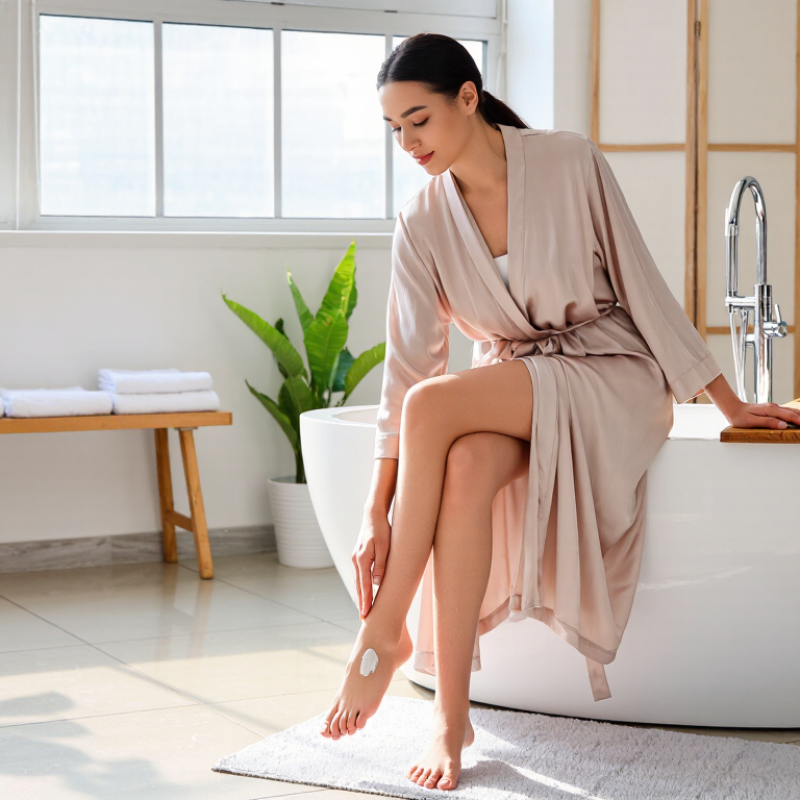
How Foot Scrubs Remove Dead Skin and Soften Rough Areas
Foot scrubs lift loose, flaky cells from the skin’s surface through gentle friction. Fine sugar or soft-grain scrubs can suit dry areas, while a pumice stone may help target thicker heel skin. Salt grains can feel rougher and may irritate delicate or cracked areas. The aim is not to scour the foot until it feels perfectly smooth. Less pressure helps. After a short warm soak, massage damp skin in small circles, focusing on the heel edges and the balls of the feet. Rinse thoroughly and pat dry.
Exfoliation removes some surface buildup, but it does not replace moisture. Apply a fragrance-free foot cream afterward, especially over rough heels, to help keep skin hydrated and supple. Scrubbing every day can leave skin tender; once or twice a week is often enough, depending on how your feet respond. It is easy to mistake redness for progress. Stop if the skin stings or becomes sore. Avoid scrubbing open cracks, cuts, or irritated skin, and ask a healthcare professional for guidance if you have diabetes, reduced foot sensation, or circulation problems. A gentler routine may take longer, but comfortable skin matters more than an instantly polished look.
What Are the Best Types of Foot Scrub?
FDA guidance for alpha hydroxy acid (AHA) exfoliating products
How foot scrubs work: Physical scrubs use particles such as sugar or pumice to loosen dead surface skin through gentle rubbing. Chemical exfoliants such as AHAs help shed surface cells without abrasive particles. The chart shows FDA AHA concentration guidance—not foot-scrub-specific limits: consumer products are at 10% or less, while salon products are at 30% or less and intended for use by trained professionals. Follow product directions and avoid scrubbing cracked or irritated skin.
Physical Foot Scrubs: Pumice, Sugar, Salt, and Grain-Based Formulas
Pumice is the firmest choice here. Its porous surface can smooth thick heel skin, but use light strokes on damp feet. Sugar granules usually feel gentler and rinse away easily. Salt crystals can be rougher and may sting small cracks. Grain-based formulas, such as finely milled oats or rice, vary widely; check the texture before applying. There is no perfect scrub. A grain that feels soft in the jar may still irritate sensitive skin.
The American Podiatric Medical Association’s 2014 survey reported that 77% of Americans had experienced foot problems. That figure does not prove scrubs prevent problems, but it underlines why careful foot care matters. Choose a formula based on your skin, not just the label. Stop if you notice burning, redness, or tenderness. People with diabetes, reduced sensation, or poor circulation should ask a foot-care professional before using abrasive tools.
Tips: Test a small area first. Use gentle, brief strokes, then rinse and moisturize. Avoid scrubbing broken skin. It is easy to overdo it, especially on dry heels; less pressure often works better.
Chemical Foot Scrubs: Acids, Enzymes, and Urea-Based Options
Chemical foot scrubs work differently from gritty pumice or salt. Lactic acid loosens surface scale, while salicylic acid helps separate compacted dead skin. The US FDA lists salicylic acid at 12–40% in over-the-counter callus-remover preparations; that range is not a cue to apply strong products over the whole foot. That distinction matters. Enzyme formulas, often using fruit-derived enzymes, may soften surface buildup, but their concentrations and supporting evidence vary.
Urea is both a water-binding ingredient and, at higher concentrations, a keratolytic that helps soften thick skin. DermNet NZ’s clinical reference describes topical urea formulations spanning 3–40%, depending on their intended use. Lower-strength formulas generally suit dryness; stronger ones may be used for stubborn thickening under professional guidance. More is not automatically better. Cracked heels can sting when acids or concentrated urea reach exposed skin.
A practical choice depends on the skin, not just the label. For mild roughness, try a low-strength product on a small area and follow its directions. Stop if burning or redness persists. People with diabetes, reduced foot sensation, or poor circulation should ask a clinician before using chemical exfoliants; small injuries can be harder to notice. Enzyme peels can sound gentler, but that assumption deserves caution.
Choosing a Foot Scrub for Calluses, Dryness, or Sensitive Skin
What Are the Best Types of Foot Scrub?
Choosing a foot scrub depends on what your skin needs. For thick calluses on heels or toe edges, a fine-grit scrub or damp pumice stone may help loosen rough, hardened skin. Use light pressure, and stop if the area feels sore or looks red. Calluses can take time to soften; one scrub rarely changes much. For people with diabetes, reduced foot sensation, or circulation problems, ask a healthcare professional before using abrasive tools.
Tips: For dry feet, choose a gentle scrub and apply a rich, fragrance-free moisturizer afterward. A cotton sock can help keep moisture in overnight. Sensitive skin may do better with a soft washcloth than gritty particles. Test any new product on a small area first. Less can be enough.
Avoid scrubbing cracked, blistered, or irritated skin, since friction may worsen it. If your feet feel tight after exfoliating, the scrub may be too harsh or too frequent. I find it easy to focus on smooth heels and overlook the skin between the toes; rinse carefully and dry those areas well. Persistent pain, deep cracks, or unusual changes deserve professional advice rather than stronger scrubbing.
Safe Application and Key Ingredients to Consider
A foot scrub should smooth rough skin without leaving it sore or raw. Start with clean, damp feet and use light pressure, especially around heels and the balls of the feet. A few gentle passes are usually enough. Rinse well, then pat your feet dry, including between the toes. Avoid scrubbing cracked, blistered, irritated, or freshly shaved skin. Stop if you feel burning or notice redness that lasts. More pressure does not mean better results; I have sometimes mistaken that tight, polished feeling for healthy skin.
Check the ingredient list before use. Pumice and finely milled particles provide physical exfoliation, while urea or lactic acid can soften thick, dry areas. These ingredients may irritate sensitive skin, so test a small area first and follow the product directions. Skip scrubs with rough, sharp particles if they feel abrasive. Use a scrub occasionally rather than every day, and apply a plain moisturizer afterward. Keep it simple. People with diabetes, reduced foot sensation, or circulation problems should ask a healthcare professional before exfoliating, since small injuries may be harder to notice or heal. A handheld mirror can help you inspect your heels for cracks before and after use.