
What Is a Square Pipe Making Machine?
A Square Pipe Making Machine is industrial equipment designed to produce square or rectangular steel pipes. It shapes flat metal strip through a carefully arranged forming process. Typical stages include decoiling, leveling, roll forming, welding, sizing, and cutting. Each stage influences the final pipe’s dimensions and surface quality. A well-adjusted machine can create consistent profiles for construction, furniture, automotive, and general fabrication applications.
However, machine performance depends on more than advertised speed. Steel grade, strip thickness, pipe size, welding method, and production volume all affect the result. Not every machine fits every factory. Experienced operators watch the strip closely as it moves through the rollers. A slight misalignment may cause uneven corners, weld defects, or unnecessary material waste. Regular inspections help protect accuracy and extend service life. No machine is perfect.
Understanding this equipment requires practical and technical judgment. Buyers should examine the forming range, motor system, cutting accuracy, control interface, safety guards, and after-sales support. They should also request production samples instead of trusting impressive claims alone. A reliable supplier explains operating limits clearly and provides maintenance guidance. That gap matters. Some descriptions focus on speed while ignoring setup time, tooling changes, or energy consumption. A careful review connects machine design with real workshop conditions. This article explains how the Square Pipe Making Machine works, where it is used, and which details deserve attention before making a professional purchasing decision.
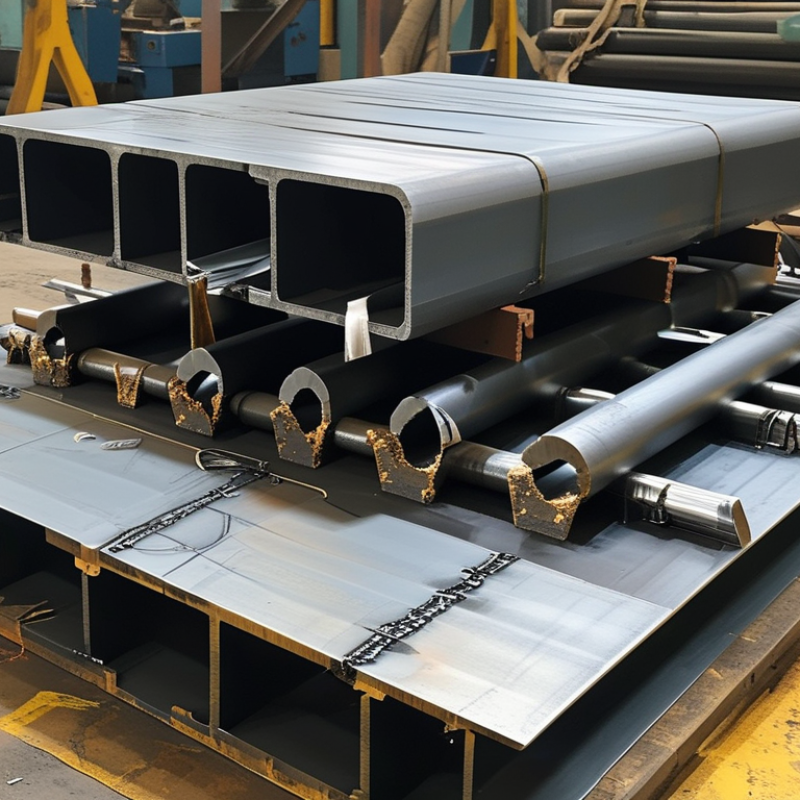
Definition and Purpose of a Square Pipe Making Machine
What Is a Square Pipe Making Machine?
A square pipe making machine converts flat metal strip into square or rectangular hollow sections. The process usually includes uncoiling, leveling, forming, welding, sizing, and cutting. Rollers gradually bend the strip, rather than forcing it into shape in one step. A high-frequency welding unit joins the edges and creates a continuous tube. The sizing section then corrects the profile, so each side reaches the required dimension.
Its purpose is to produce consistent square pipes for construction frames, machinery, furniture, storage systems, and other fabricated structures. Operators monitor strip alignment, welding temperature, line speed, and roller pressure. Small changes can affect corner sharpness, wall thickness, and weld appearance. In practical production, I have seen a minor alignment error create visible twisting several meters later. No machine is perfect. Regular inspection still matters, even with automatic controls. Dimensional gauges and sample cuts help verify the finished pipe.
Tips: Choose a machine according to strip width, material grade, wall thickness, and target pipe size. Keep forming rolls clean and properly aligned. Check weld seams for pinholes, uneven edges, or discoloration. Record adjustments during each production run. This simple habit can reveal patterns, although it may feel tedious. Always follow the equipment manual and use trained personnel for setup, maintenance, and quality checks.
What Is a Square Pipe Making Machine? - Definition and Purpose of a Square Pipe Making Machine
| Data Dimension | Typical Specification or Description | Purpose and Practical Notes |
|---|---|---|
| Machine Definition | A tube-forming production line that converts metal strip or coil into hollow square or rectangular sections. | The line gradually forms a flat strip, welds the longitudinal seam, sizes the tube, and cuts it to the required length. |
| Main Raw Material | Carbon steel, galvanized steel, stainless steel, or other weldable metal strip supplied in coils. | Material selection depends on the required corrosion resistance, strength, surface finish, and end-use application. |
| Typical Tube Size Range | Approximately 15 × 15 mm to 400 × 400 mm for square tube; rectangular sizes vary according to the forming design. | The actual range is determined by the machine configuration, roll tooling, material grade, and required wall thickness. |
| Typical Wall Thickness | Approximately 0.6–16 mm, depending on the tube size, material, welding method, and line capacity. | Thicker walls generally require greater forming force, stronger tooling, and increased welding power. |
| Production Process | Uncoiling → strip leveling → forming → seam welding → bead removal → sizing → straightening → cutting → collection. | Each stage contributes to dimensional accuracy, weld integrity, surface quality, and consistent finished lengths. |
| Forming Method | Roll forming gradually bends the strip through multiple forming stands before the edges meet. | Gradual forming reduces deformation stress and helps produce a uniform square or rectangular profile. |
| Welding Technology | High-frequency induction or contact welding is commonly used for continuous longitudinal seam welding. | The welding system joins the strip edges at production speed without adding separate filler metal in typical high-frequency processes. |
| Line Speed | Common production speeds range from approximately 20 to 120 m/min; specialized lines may operate outside this range. | Actual speed depends on tube dimensions, wall thickness, steel grade, welding requirements, and cut-to-length accuracy. |
| Cutting System | Flying saw, cold saw, or other synchronized cutting equipment; common cut lengths are about 4–12 m. | A synchronized cutting system allows continuous production while maintaining consistent finished tube lengths. |
| Dimensional Control | Controlled tube width, height, corner radius, straightness, wall thickness, and cut length. | Laser or contact measurement systems may be used for online monitoring, while final checks are commonly performed with gauges and calipers. |
| Typical Control System | PLC-based control with a touchscreen operator interface, variable-frequency drives, sensors, and safety interlocks. | Automation helps coordinate forming speed, welding parameters, cutting length, alarms, and production monitoring. |
| Key Machine Sections | Uncoiler, leveler, forming mill, welding unit, weld-bead scraper, sizing mill, straightener, cutting machine, and run-out table. | The sections work as one continuous line to improve throughput and reduce manual handling between operations. |
| Typical Utilities | Electrical power, cooling water, compressed air, hydraulic or lubrication systems, and suitable ventilation. | Utility requirements vary with line size, welding power, automation level, and the selected production materials. |
| Primary Purpose | To manufacture uniform square and rectangular hollow sections continuously and efficiently. | Compared with separate manual operations, continuous production can improve consistency, output, and material utilization. |
| Common Applications | Construction frames, structural supports, machinery components, furniture, vehicle parts, agricultural equipment, and general fabrication. | Square and rectangular tubes provide useful strength-to-weight performance and are convenient for joining and fabrication. |
| Quality Checks | Visual weld inspection, dimensional measurement, straightness checks, surface inspection, and mechanical or leak testing when required. | The inspection plan should follow the applicable product standard, customer specification, and intended application. |
| Important Selection Factors | Tube size range, wall thickness, material grade, target output, welding method, changeover time, floor space, and automation level. | Selecting the machine according to the intended product mix helps avoid insufficient capacity or unnecessary investment. |
Note: The specifications shown are typical reference ranges for industrial square pipe production lines. Exact performance depends on machine configuration, material properties, tooling, operating conditions, and applicable standards.