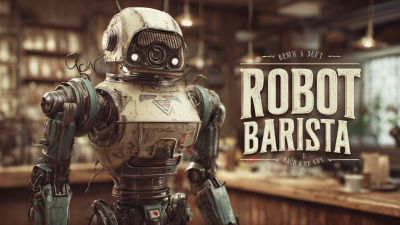
Why Choose a Cafe Robot for Your Business?
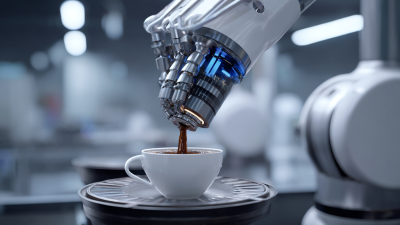
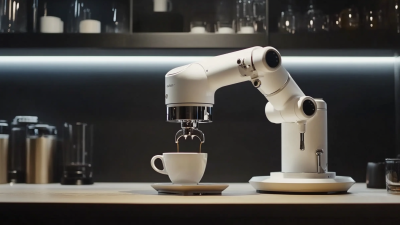
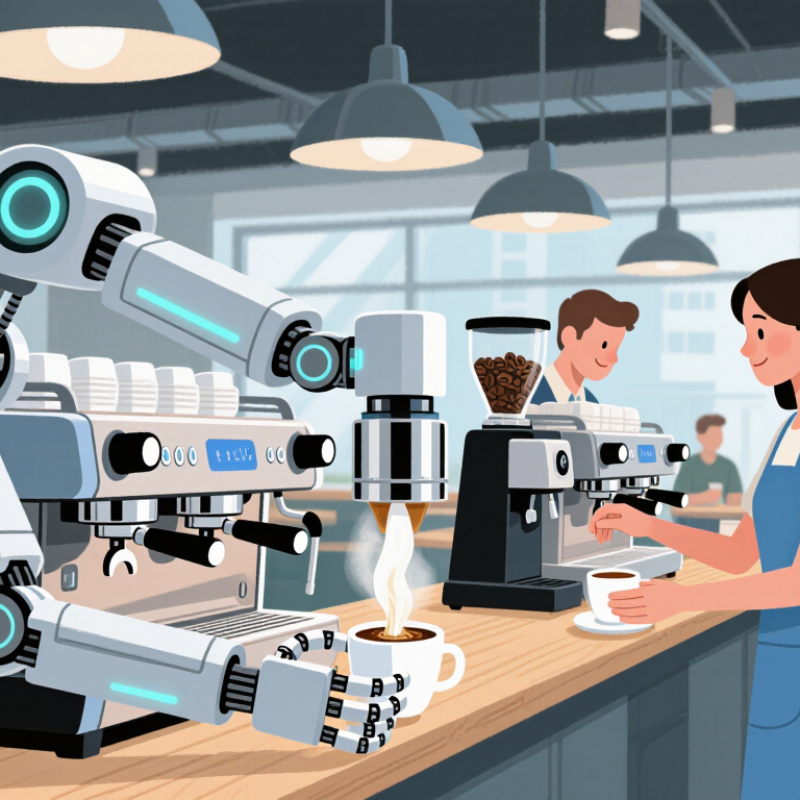
Choosing a Cafe Robot is no longer a futuristic idea reserved for airports or technology exhibitions. For many cafés, it is a practical response to rising labor costs, repetitive drink preparation, and unpredictable rush periods. A robot can measure coffee, control brewing time, and repeat recipes with impressive consistency. Customers may watch a robotic arm place a cup beneath the dispenser, release steamed milk, and finish a latte in less than two minutes.
Henry Hu, founder of Cafe X, has explained, “The goal is not to replace people, but to make coffee service faster and more consistent.” This perspective matters. A Cafe Robot should support trained employees, not erase the human character of a café. Staff can welcome guests, solve unusual orders, maintain equipment, and create the warm interaction machines cannot fully deliver. Technology performs repetition. People provide judgment.
The business case still requires careful thinking. A robot needs suitable floor space, regular cleaning, software monitoring, and reliable technical support. It may also struggle with unexpected situations, such as a blocked nozzle or a customer requesting a highly customized drink. That weakness should not be hidden. Honest planning builds stronger trust.
For owners, the real question is not whether a robot looks impressive. It is whether the system improves speed, quality, hygiene routines, and customer satisfaction without damaging the café’s identity. A well-chosen Cafe Robot can reduce pressure during busy mornings while giving employees more time for meaningful service. The result is not automatic success. It is a tool, and tools depend on thoughtful people.
Cafe Robots Defined: Types, Functions, and IFR Service-Robot Data
A cafe robot is not one machine with one purpose. Delivery robots move drinks and meals between the counter and tables. Reception robots can greet guests, show menus, and guide queues. Cleaning robots handle floors after busy service periods. Robotic arms may prepare simple drinks or repeat measured tasks. In a real cafe, each type supports a different pressure point. That distinction matters. A robot can carry six cups, but it cannot read every customer’s mood. Staff still need to manage exceptions, spills, allergies, and warm conversations.
The International Federation of Robotics reported nearly 200,000 professional service robots sold worldwide in 2023, about 30% more than in 2022. This figure covers many industries, not cafes alone. It shows market momentum, not guaranteed business value. Owners should compare labor savings, service speed, maintenance, training, and floor space before buying. Watch the handover. A robot that reaches a table quickly may still create a crowded return route. Measure waiting time, order accuracy, customer comments, and downtime for several weeks. Small trials reveal more than impressive demonstrations. One limitation is often ignored: technology can change the cafe’s atmosphere. Some guests enjoy the novelty; others prefer human service. The best choice may be a modest robot with clear duties, reliable cleaning, and easy staff control.
Market Context: 2023 U.S. Food-Service Labor Data and Automation Needs
In 2023, the U.S. food-service market faced persistent labor pressure. The Bureau of Labor Statistics reported a median annual wage of about $29,450 for food preparation and serving occupations. Many cafes also struggled with turnover, scheduling gaps, and unpredictable customer demand. A missing barista can quickly create a line near the entrance.
That pressure explains growing interest in cafe robots. A robot can support repetitive tasks, such as carrying trays, delivering drinks, or restocking supplies. It may help employees spend more time greeting guests and preparing customized orders. This matters during breakfast rushes, when one delayed task affects every table. The best systems support workers rather than replace judgment, hospitality, or careful food handling.
The numbers do not make automation an automatic decision. A cafe must examine equipment costs, maintenance, training, floor space, and customer acceptance. A narrow walkway can turn a useful machine into an obstacle. That lesson is easy to miss. Managers should test one workflow, measure service time, and ask employees what actually improves their shift. Reliable data matters more than impressive demonstrations. A cafe robot makes sense when it solves a specific labor problem and fits the daily operation.
Operational Value: Robot Productivity, Consistency, and BLS Wage Benchmarks
Why Choose a Cafe Robot for Your Business?
Operational Value: Robot Productivity, Consistency, and BLS Wage Benchmarks
A cafe robot can support repetitive drink preparation during busy service periods. It measures ingredients, follows programmed steps, and maintains a steady pace. That consistency matters when ten customers arrive within five minutes. Staff can focus on hospitality, order accuracy, and restocking instead of repeating every motion.
Productivity should be measured carefully. Track drinks per hour, preparation time, error rates, cleaning needs, and downtime. Compare these figures with your current workflow and local labor costs. BLS wage benchmarks can provide useful context for food service occupations, but they are not a complete business forecast. Wages vary by location, experience, schedules, and benefits. Equipment, training, repairs, and electricity also affect the calculation.
The math is not perfect. A robot can still pause when supplies run low or software needs attention. Human oversight remains necessary. In practice, the strongest value may come from predictable output rather than replacing every task. A manager should test the system during morning rushes, quiet afternoons, and weekend peaks. Record what improves, and what does not. Small inconsistencies can become expensive if nobody reviews them. Reliable decisions require real operating data, transparent assumptions, and regular performance checks.
Customer Experience: Service Speed, Accuracy, and 2023 Consumer-Robot Surveys
A cafe robot can change the customer experience most clearly during busy hours. When three orders arrive together, it can repeat selections, calculate totals, and deliver drinks with steady timing. Customers often notice this consistency before they notice the technology. That matters.
Findings from 2023 consumer-robot surveys showed growing interest in automated service, especially when it reduces waiting. However, many respondents still valued human assistance for questions, complaints, and personal recommendations. Survey results differed by age, location, and familiarity with robots. They should guide decisions, not replace local customer research.
In daily cafe operations, speed must be measured beside accuracy. A manager can compare queue length, order corrections, serving time, and customer comments before and after installation. A robot may place a cup at the wrong pickup point if the layout is confusing. Staff still need to monitor stock, clean contact areas, and support customers who feel uncomfortable using automated service. The first trial may look impressive, yet the second week can reveal practical problems. A short delay during software updates can frustrate regular visitors. I would not promise perfect service. A better goal is predictable support, with employees ready to step in when technology misses the moment.
Why Choose a Cafe Robot for Your Business?
Faster service, consistent order execution, and convenient customer interactions can directly support the experience factors consumers value most. The survey signals below indicate the importance of customer experience, convenience, and service recovery.
Source: Global consumer experience survey data, including a survey of more than 15,000 consumers. The figures describe consumer expectations and are not performance claims for any specific robot.
Business Adoption: ROI Metrics, Safety Standards, and IFR Deployment Guidance
A cafe robot deserves investment only when its job is measurable. The International Federation of Robotics reported almost 200,000 professional service robots sold in 2023, a 30% annual increase. That growth signals adoption, not guaranteed profit. Track orders served per hour, labor minutes saved, uptime, maintenance cost, waste, and average ticket value. Compare these figures with installation and training costs. A simple payback model is useful: total investment divided by monthly net savings. The math may look attractive. Real cafes often discover slower returns during quiet shifts.
Safety must shape deployment from day one. ISO 10218 supports industrial robot safety, while ISO/TS 15066 addresses collaborative robot applications. A cafe still needs a site-specific risk assessment. Consider hot liquids, slippery floors, customer contact, cleaning chemicals, and blocked emergency paths. Use speed limits, physical separation where needed, emergency stops, and documented staff training. Local food, electrical, fire, and workplace rules also apply. Standards guide the process; they do not replace professional inspection.
Tips: Run a four-week pilot before full deployment. Record every stoppage, spill, complaint, and manual intervention. Place the robot away from crowded queues. Give one employee clear ownership of daily checks. Review the data weekly, even when results feel disappointing. A robot that saves labor but reduces service quality is not efficient. Anecdotal enthusiasm is not evidence.