How to Choose a Coffee Machine Robot for Your Business?
Coffee service is changing quickly. Customers now expect consistent flavor, short queues, and visible hygiene. A Coffee Machine Robot can support these expectations in offices, hotels, cafés, and transport hubs.
Industry data explains the opportunity. The National Coffee Association reported that 67% of American adults drank coffee daily in spring 2024. The International Coffee Organization estimated global coffee consumption at 177.0 million 60-kilogram bags in 2022/23. Demand remains substantial, but demand alone does not guarantee profitability. Location, labor costs, menu design, and operating hours still matter.
Automation is also expanding. The International Federation of Robotics reported more than 541,000 industrial robots installed worldwide in 2023. Coffee machines operate in a different category, yet the wider trend is relevant. Businesses are becoming more comfortable with automated workflows. A suitable machine should deliver stable extraction, rapid preparation, contactless payment, and clear cleaning alerts. It should also connect with inventory and point-of-sale systems. Small details matter. A 30-second delay can create a queue during a morning rush.
Buyers should compare hourly capacity, beverage quality, maintenance access, warranty coverage, and total ownership cost. Safety certification and local electrical requirements deserve equal attention. Reports provide useful direction, not certainty. Some machines advertise impressive output, but real performance may decline during peak periods. Testing the unit on-site is wiser than trusting a brochure. The strongest choice balances automation with dependable human support.
Define Your Business Needs for a Coffee Machine Robot
Before choosing a coffee machine robot, define the job it must perform. A small office may need 40 drinks daily, while a busy hotel lobby may need 300. Record peak periods, drink sizes, milk preferences, and payment habits for two weeks. Numbers reveal the real workload. They also expose inconvenient gaps.
Your space matters as much as your menu. Measure counter depth, ceiling clearance, water access, drainage, electrical capacity, and customer walking paths. Ask whether the robot can operate safely beside employees and guests. Choose the required level of automation, not the most impressive one. A narrow menu may justify a simpler system with fewer failure points. If customers expect customized foam or unusual syrups, confirm these functions during a live demonstration. Written claims are not enough.
Set a service plan before purchase. Check cleaning steps, refill frequency, remote alerts, spare-part availability, and technician response times. I once underestimated morning demand by nearly 20 percent because weekend data distorted the average. That mistake changed the layout and staffing plan. Test the machine during your busiest hour, not an empty showroom. Track preparation time, drink consistency, waste, noise, and recovery after an error. Leave room for human support. Machines can repeat recipes well, but they may not notice a confused customer or a blocked queue. Review local safety, hygiene, accessibility, and electrical requirements with qualified professionals. A short pilot can reveal more than a polished sales presentation.
Compare Robot Types, Brewing Features, and Service Capacity
Choosing a coffee machine robot starts with the service setting, not the robot’s appearance. An enclosed kiosk suits airports and offices because it controls access, cleaning, and recipes.
A robotic arm offers a more visible experience and can handle portafilter placement, milk steaming, and cup movement. A mobile cart provides flexibility, but water, power, and waste storage become practical limits.
Brewing features deserve close testing. A commercial unit should grind per order, measure dose automatically, and monitor extraction time.
Temperature stability matters for repeatable espresso. Fresh milk systems need chilled storage, automatic rinsing, and clear allergen controls.
The Specialty Coffee Association emphasizes controlled water quality, dose, yield, and time as core brewing variables.
Still, perfect automation does not guarantee good coffee. Poor beans or weak maintenance can defeat expensive hardware.
Capacity must match real peaks. The National Coffee Association’s 2024 National Coffee Data Trends report found that 67% of American adults drank coffee the previous day.
Demand may arrive in a sharp morning wave. Ask suppliers for tested cups per hour, recovery time, refill intervals, and failure rates.
The International Federation of Robotics reported 4.28 million industrial robots operating worldwide in 2023, but factory performance cannot be copied directly into food service.
A machine rated at 120 cups hourly may slow with customized drinks, cashless payments, or cleaning cycles.
Measure your busiest fifteen minutes. Then leave some capacity unused. That part feels inefficient, but it protects service quality.
Evaluate Space, Installation, Safety, and User Experience
Choosing a coffee machine robot for a business starts with the room, not the screen. Measure floor space, ceiling height, service clearance, and customer queues before comparing features.
A narrow lobby may need a compact unit with front access. Busy offices need a wider waste drawer and larger water capacity.
I once saw a machine placed beside a fire exit. It worked, but the layout was unacceptable. Leave space for cleaning, refilling, and safe movement.
Installation deserves a written site check. Confirm power ratings, water connections, drainage, ventilation, and floor strength with qualified technicians.
Avoid improvised adapters or exposed cables. They create preventable risks.
Ask who handles software updates, breakdowns, sanitation, and spare parts.
A clear maintenance agreement is more reliable than a confident sales promise.
Keep records of cleaning times, faults, and replacement parts. Those details reveal the machine’s real operating cost.
Safety should be visible to every user. Look for guarded moving parts, stable doors, emergency stops, heat protection, and clear allergy information.
The interface should guide a tired commuter through a short, obvious sequence. Large buttons and readable prompts reduce hesitation.
Test the machine with different heights, languages, and accessibility needs. Convenience is not universal.
Some users may still find robotic service impersonal or confusing. Observe them quietly, then adjust the menu, queue area, or instructions.
A successful choice is measured during ordinary mornings, not only during demonstrations.
Assess Costs, Maintenance, Connectivity, and Staff Requirements
How to Choose a Coffee Machine Robot for Your Business?
A coffee machine robot should match your daily service pattern, not just your menu. Estimate drinks per hour, peak queue length, ingredient waste, and available floor space. Include installation, water filtration, software fees, energy use, and staff training in the purchase budget. A low upfront price can hide costly downtime.
Maintenance affects customer trust. Ask how often brewing units, milk systems, sensors, and seals require cleaning or replacement. Check whether staff can complete daily cleaning in ten minutes, with clear alerts and accessible parts. A reliable supplier should provide service response times, maintenance records, and practical training. Still, no machine is completely hands-off. That expectation needs correcting.
Tips: Test the machine during a realistic rush. Watch the queue, cleaning steps, noise, and recovery time after an error. Confirm network security, remote monitoring, and offline functions before connecting it to business systems. Assign one trained employee to check supplies and review alerts each shift. Keep a simple backup plan for network loss or equipment failure. Small details matter. Measure performance for four weeks before expanding. Early figures may not reflect weekends, staff changes, or seasonal demand.
Select the Best Coffee Machine Robot and Plan Its Deployment
How to Choose a Coffee Machine Robot for Your Business?
Select the Best Coffee Machine Robot and Plan Its Deployment
Begin with demand, not shiny automation. The National Coffee Association’s Spring 2024 report found that 67% of American adults drank coffee the previous day. The International Coffee Organization estimated global consumption at 177 million 60-kilogram bags in 2022/23. These figures support investment, but they do not predict your queue length. A hotel lobby, office floor, and transport hub require different capacities.
Measure the site during its busiest hour. Record orders, preparation time, water access, drainage, power load, cup storage, and staff movement. Leave space for cleaning. A machine that fits the counter may still block a service route. Select equipment with transparent maintenance alerts, adjustable recipes, secure payment integration, and accessible components. Ask for documented uptime, cleaning procedures, response times, and training records. Marketing claims are not evidence.
Run a two-week pilot before permanent installation. Track average service time, abandoned orders, ingredient waste, temperature consistency, and cleaning minutes per shift. Keep a manual backup nearby. It may feel less impressive, but service interruptions are expensive. Review accessibility, electrical safety, food hygiene, and local certification requirements with qualified professionals. I would also interview staff after week one; operators often notice refill delays before dashboards do. The first plan will probably be wrong. That is useful. Adjust the layout, menu, and replenishment schedule using observed data rather than assumptions.
How to Choose a Coffee Machine Robot for Your Business?
Compare typical commercial coffee machine robot categories by estimated peak output. Use expected demand, service speed, and installation conditions to plan the most suitable deployment model.
The figures represent practical planning benchmarks in cups per hour under normal commercial operating conditions. Actual performance depends on recipe complexity, replenishment frequency, queue management, and staff availability.
Related Posts
-
China Best Robotic Coffee Bar Supplier and Manufacturer
-
Innovative Coffee Machine Robot Designs Transforming Your Daily Brew Experience
-
Why Choose a Cafe Robot for Your Business?
-
7 Best Robot Cafe Solutions for Global Buyers in 2026
-
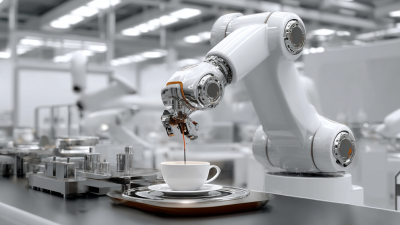
China's Smart Manufacturing Delivers Global Success with the Best Coffee Machine Robot
-
What Makes the Best Robot Barista a Game Changer in Coffee Shops