How to Choose the Best Robot Coffee Machine?
Choosing the best Robot Coffee Machine is less about buying the most advanced model and more about matching its features to your daily routine. Think about what you actually drink: a short espresso, a large mug of coffee, or milk-based drinks that need consistent frothing. Then check whether the machine can adjust grind size, coffee strength, and serving volume. These controls matter when beans vary or your taste changes. Small details count.
Look closely at cleaning and upkeep before comparing display screens or drink menus. A removable brew group, accessible drip tray, and clear descaling instructions can make regular care easier. If you use milk, check how the frothing system is cleaned; dried residue can be stubborn. Measure the counter space, too, including room for the water tank and bean hopper. A machine that barely fits may become a daily annoyance.
Reliable comparisons should consider warranty terms, replacement-part availability, noise, and the cost of routine supplies. Read owner feedback for recurring problems, but treat individual reviews as clues, not proof. If possible, test the controls in a store and listen to the grinder. A quiet showroom is not a real kitchen. No machine is perfect. Some offer impressive customization but take longer to clean, while simpler models may limit drink options. The right choice depends on which trade-offs you can live with. This guide will help you compare practical features, judge ongoing effort, and choose a Robot Coffee Machine that suits your space, habits, and budget.
What Defines a Robot Coffee Machine?
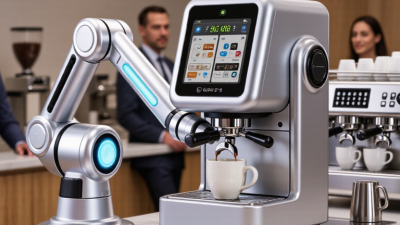
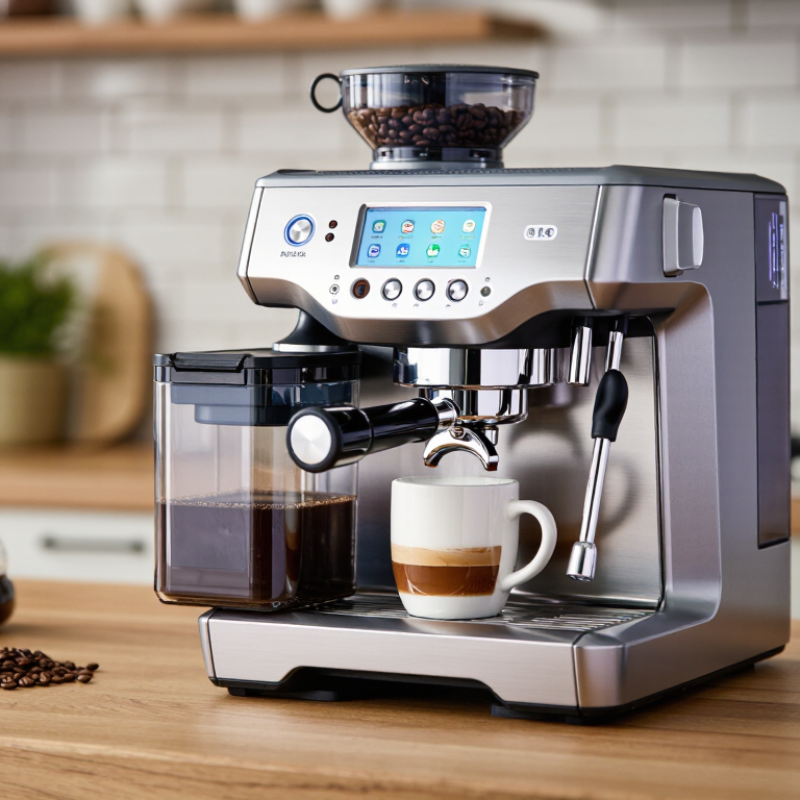
A robot coffee machine does more than heat water and press a button. It coordinates several steps, often grinding beans, measuring a dose, controlling water flow, and brewing with limited input. Some models also froth milk or rinse internal parts automatically. The defining feature is this connected sequence of tasks, not a futuristic shape or a screen. Sensors and programmed settings help keep timing and portions consistent, though results still depend on fresh beans, clean parts, and proper setup. The label can be fuzzy. A machine that automates only brewing may feel “robotic,” but it offers less hands-off control.
Tips: Check what happens after you press start. Does the machine grind and brew, or only dispense coffee? Look for clear cleaning instructions and adjustable drink settings. Convenience matters, but so does upkeep.
For a practical comparison, consider how much work remains at the counter. If you must tamp grounds, move a milk jug, and wash several pieces after each cup, automation may be limited. A built-in grinder and guided controls can reduce those steps. Still, more automation means more parts to clean or troubleshoot. That trade-off is easy to overlook. Choose a machine whose routine fits your mornings, and check whether its water tank and waste bin suit your household’s daily use.
How to Match a Machine to Your Coffee Habits
Match the machine to what you actually drink, not the menu that looks impressive.
If most mornings mean one espresso before work, a compact model with quick startup and simple strength controls may suit you better than one with dozens of recipes. Small detail matters. Check whether it can save your preferred cup size; repeatedly correcting a watery coffee gets old.
Milk drinks change the calculation. For daily cappuccinos, look for an accessible milk system that is easy to rinse, and check how much counter space its parts need. A large milk container can be handy for several cups, but it may sit unused if you usually drink coffee black. Think about your routine at 7 a.m., not an imagined weekend brunch. That distinction is easy to miss.
Also consider how many people will use the machine and how often you want to refill it. A small water tank may be fine for one cup a day, but less convenient for a household making several drinks. Look for clear cleaning prompts, removable parts, and settings you can adjust without digging through menus. Convenience is personal, and no machine eliminates maintenance. Be honest about how much cleaning you will tolerate; that answer may matter more than extra drink options.
Which Brewing and Automation Features Matter Most?
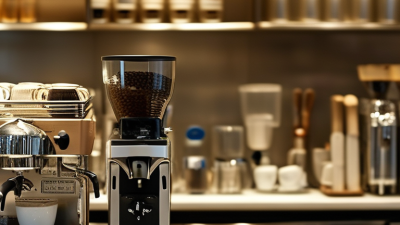
A useful robot coffee machine should let you adjust grind size, coffee dose, water temperature, and brew strength. These controls affect what reaches the cup, not just what appears on the screen. Look for settings you can change easily, then test whether they make a noticeable difference. A shot that tastes sour may need a finer grind or a warmer brew; bitter coffee can call for a coarser grind or a shorter pour.
Small changes matter.
Check how the machine handles milk and daily routines. A removable milk container is convenient, but a rinse cycle and accessible milk pathway matter more when cleaning time comes. Really matters. Look for saved drink profiles, a clear water-level alert, and a way to pause or adjust a drink mid-cycle. Automation should reduce repetitive steps without hiding every useful control. Listen to the grinder, watch how evenly coffee fills the cup, and check whether the machine prompts you to clean its brewing parts. I still find feature lists hard to compare: a dozen drink presets sound impressive, but may not suit your usual morning cup. Try the controls with your preferred beans, if possible.
How to Compare Ease of Use, Cleaning, and Reliability
How to Choose the Best Robot Coffee Machine?
How to Compare Ease of Use, Cleaning, and Reliability
A robot coffee machine should make a weekday cup easier, not turn breakfast into troubleshooting. Check whether the screen labels drink sizes clearly and lets you adjust strength without digging through menus. Try the milk system with your usual cup; a short nozzle can splash, while a low drip tray may limit taller mugs. Small annoyances add up. If possible, test the controls before buying, because product photos rarely show how menus feel.
Tips: Run a rinse cycle, remove the brew group, and reinstall it once. Notice whether the parts click into place easily. A confusing first clean may become a weekly irritation.
Cleaning claims need specifics. Look for removable drip trays, accessible milk tubes, and clear descaling instructions. For reliability, check the warranty, service options, and availability of replacement parts. No machine is maintenance-free. Hard water can increase scale buildup, so consider whether the machine supports a water filter or adjustable hardness setting. It is easy to overvalue extra drink settings and overlook the parts you will clean every day. Long-term owner feedback can reveal recurring issues, but one glowing review is not enough to judge durability.
How to Choose the Best Robot Coffee Machine
Compare ease of use, cleaning, and reliability before you buy. The percentages below are a suggested checklist weighting—not test results or ratings of specific machines. Score each model on these criteria to make a side-by-side comparison.
Check how straightforward the controls and drink settings are, how easily removable parts can be cleaned, and whether the machine has clear maintenance alerts and accessible replacement parts. Cleaning needs and service requirements vary by model; always consult the user manual.
How to Balance Price, Performance, and Long-Term Costs
A robot coffee machine should earn its higher price through repeatable drinks, simple cleaning, and parts that can be replaced. The National Coffee Association’s 2024 National Coffee Data Trends report found that 67% of U.S. adults had coffee the previous day. For frequent drinkers, a reliable grinder and consistent milk texture may matter more than a long menu. Check the water tank, grounds bin, and drip tray: if they need emptying after every few cups, convenience can wear thin.
Compare the purchase price with filters, descaling solution, cleaning tablets, and likely repairs over several years. The U.S. Energy Information Administration reported an average residential electricity price of 16.0 cents per kilowatt-hour in 2023. As a rough illustration, a 1.2-kilowatt heater running ten minutes daily would use about 73 kilowatt-hours yearly, or roughly $12 at that rate; actual use varies with heating cycles and standby settings. Small costs compound. Read warranty terms, and check whether key parts are serviceable before paying extra. A cheaper machine can become costly if a small failure means replacing the whole unit. I would not treat a feature list as proof of value; it is easy to overestimate how often specialty drinks get used. Test the cleaning routine, too. A little annoying, perhaps, but revealing.