7 Best Robot Coffee Barista Machines for Businesses
Robot Coffee Barista machines are changing how businesses serve espresso, milk drinks, and quick coffee orders. For cafés, hotels, offices, and food-service counters, automation can help manage queues and keep recipes consistent. The right choice still depends on daily demand, staff skills, available space, and the experience customers expect. No machine solves every service problem.
This guide examines seven Robot Coffee Barista options for business use. It considers practical details such as drinks per hour, menu flexibility, payment and ordering tools, cleaning routines, maintenance access, and installation needs. A compact unit may suit a lobby. A busy café may need faster recovery between orders and space for fresh ingredients. Those differences matter.
Specifications tell only part of the story. Businesses should compare manufacturer documentation with live demonstrations, service terms, and realistic operating costs. Ask who refills ingredients, clears blocked lines, and responds when the machine stops during a morning rush. Small details can become expensive. A sleek touchscreen is useful, but it cannot replace reliable support or a menu customers actually want.
The selections ahead are a starting point, not a universal ranking. Features and availability can change, and performance depends on setup and use. Some trade-offs may be easy to miss in a showroom. Not always obvious. Consider your own workflow before choosing. The best fit is the machine that serves your customers consistently without adding unnecessary work behind the counter.
What Robot Coffee Barista Machines Are and How They Work
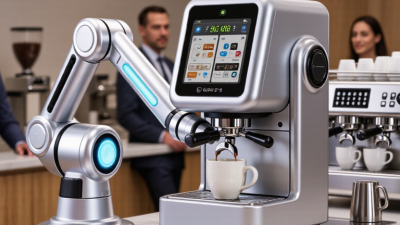
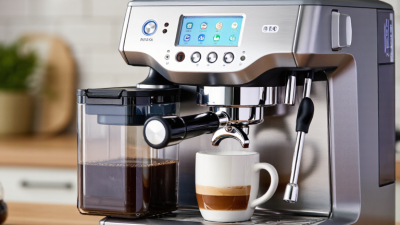
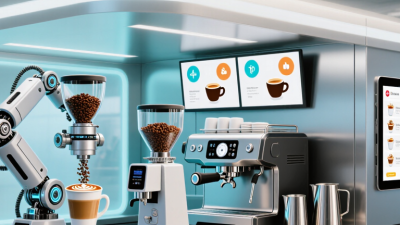
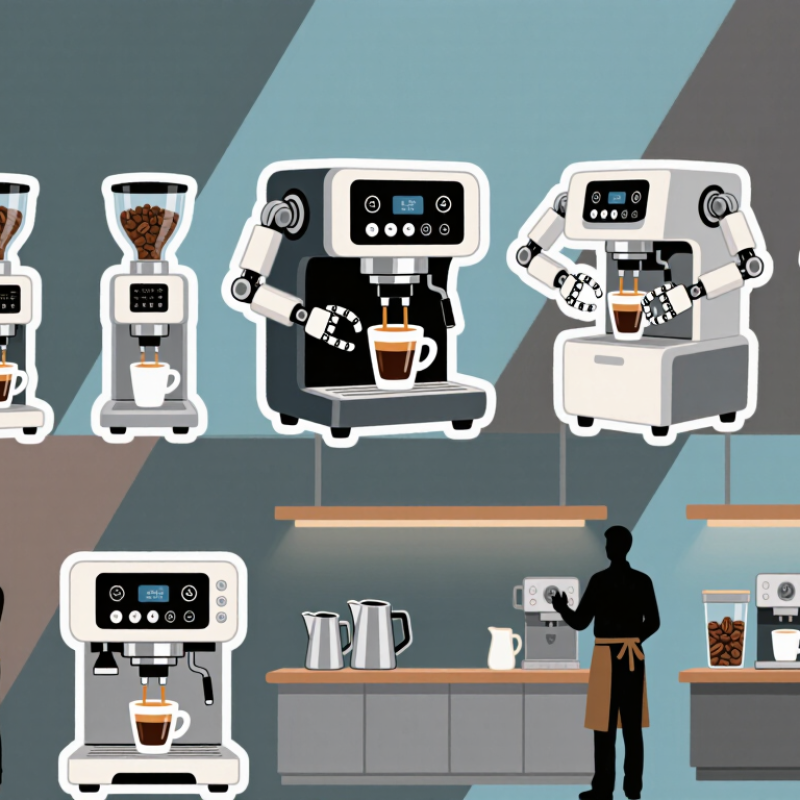
A robot coffee barista machine is an automated station that prepares espresso drinks with limited staff input. It combines a grinder, brewer, milk system, touchscreen, and robotic or guided cup handling. A customer selects a drink, and software turns the order into timed steps. The grinder doses beans, the brewer extracts coffee, and sensors monitor factors such as temperature, pressure, or cup position. Milk is steamed or dispensed to match the selected recipe, then added to the cup. Small details matter.
In a business setting, the machine can repeat recipes during rush periods, while staff refill beans, milk, cups, and cleaning supplies. Some models use a robotic arm to move cups between stations; others automate only brewing and dispensing. That distinction affects counter space, maintenance, and throughput. Operators should check cleaning cycles, allergen controls, water filtration, and service access before installation. Automation does not remove judgment. Milk texture can vary, sensors may misread a misplaced cup, and busy equipment still needs routine checks. A trial during actual peak hours can reveal bottlenecks that a showroom demonstration misses. This imperfect part matters.
Robot Coffee Barista Workflow: Illustrative Time per Drink
Estimated seconds for common preparation steps. Actual times vary by machine, recipe, and service setup; steps may overlap.
Robot coffee systems coordinate tasks such as grinding, espresso extraction, milk preparation, and drink assembly. The chart is an illustrative planning model, not a specification for a particular machine.
Key Features to Compare When Choosing a Commercial Coffee Robot
When comparing commercial coffee robots, start with the busiest hour, not the advertised daily capacity. Count expected orders and note how many need milk, syrup, or alternative brewing options. A machine that handles espresso quickly may still slow down when several drinks require steamed milk. Watch the queue. Ask for a live demonstration using your actual menu, cup sizes, and service pace.
Check drink consistency, customization, and the steps staff must take to refill ingredients or resolve errors. Review cleaning requirements closely: removable milk lines and accessible drip trays can make daily routines easier. Also measure the machine’s footprint, water access, power needs, and clearance for maintenance. Reliability depends on more than hardware; ask about training, replacement parts, and response times for service. A polished demo does not show every awkward rush-hour moment.
Tips:
Track average drink time and cleaning time during a trial. Test common orders, including one with an alternative milk. Confirm whether the system can report sales and ingredient use. Compare operating costs alongside purchase price, and leave room in your estimate for maintenance. A simple scorecard helps, though it may miss how staff feel using the machine after a long shift.
Seven Leading Robot Coffee Barista Machines for Business Use
For business use, “leading” should mean a good fit for the service flow, not a flashy robotic arm. The National Coffee Association’s 2024 National Coffee Data Trends report found that 67% of U.S. adults had coffee the previous day. That is strong demand, but not proof that every café needs automation. Peak-hour queues, drink variety, and counter space matter more.
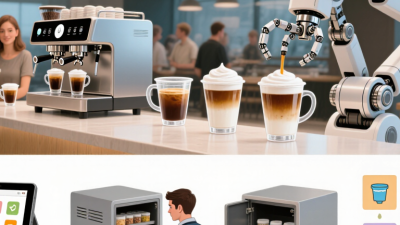
Businesses can compare seven formats: compact single-arm units, dual-arm stations, automated espresso cells, bean-to-cup kiosks, milk-focused systems, self-service counters, and mobile coffee carts. Each solves a different problem. A kiosk may suit a lobby with steady foot traffic; a compact unit may fit a narrow counter. Check how each handles cup placement, milk steaming, cleaning, and custom orders. Watch a full drink cycle, not just a polished demonstration. Small details matter.
The International Federation of Robotics reported 4,281,585 industrial robots operating worldwide in 2023, up 10% year over year, in its World Robotics 2024 report. This shows broader automation growth, not coffee-machine performance. Ask vendors for measured drinks per hour, cleaning time, and service records from comparable sites. Then test during a real rush. Staff still need clear routines. And some menus simply do not suit a robot.
How to Match a Machine to Your Business Type and Service Volume
Choose a robot coffee barista by matching its real peak-hour capacity to your menu and staffing pattern. A compact café serving espresso and a few milk drinks needs reliable order flow and quick cleaning more than a large touchscreen. A hotel breakfast room may need unattended operation, clear customer prompts, and simple refill access. For a busy food hall, check how the machine handles several drink orders in sequence, including milk steaming and recovery time. A published drinks-per-hour figure is only a starting point.
Demand is substantial, but local traffic matters more than national averages. The National Coffee Association’s 2024 National Coffee Data Trends report found that 67% of U.S. adults had coffee in the past day. That shows broad demand, not a guarantee of sales at any single venue. Track transactions by 15-minute intervals, then compare the busiest period with a supplier’s capacity test. Ask for a live demonstration using your cups, recipes, and payment flow. One easy mistake is buying for an imagined rush, then paying for idle capacity.
Tips:
Watch a full service cycle, not just the first cup. Include refills, milk changes, cleaning, and minor errors in your test. Check counter depth, water access, and waste-bin capacity before installation. Keep a manual backup plan; automation still needs attention. A little downtime can expose gaps in staff training.
Installation, Maintenance, and Operating Costs for Coffee Robots
Installing a robot coffee barista involves more than placing a machine on a counter. Budget for delivery, electrical capacity, water filtration, drainage, counter reinforcement, and commissioning. A site survey can reveal costly surprises, especially when plumbing sits across the room. Ask suppliers to separate equipment, installation, training, and service fees in their quotes.
Operating costs continue after launch. Track coffee, milk, cups, cleaning supplies, software, electricity, and payment fees alongside maintenance. Daily cleaning and restocking still require people. For example, one hour of staff time each day equals 365 annual hours; at an assumed loaded rate of $20 per hour, that is $7,300. A neat estimate. Actual shifts are messier.
Industry data can frame demand, but it cannot replace local cost checks. The National Coffee Association’s 2024 National Coffee Data Trends report found that 67% of U.S. adults drank coffee daily. The International Federation of Robotics reported 205,000 professional service robots sold in 2023, up 30% year over year. Neither report sets a standard coffee-robot installation price. Request a written preventive-maintenance schedule, parts pricing, response times, and warranty exclusions. Then model downtime: a stalled machine during the morning rush may cost more than its repair invoice.